Small Garden Ideas: 26 Magical Ways to Maximize Space
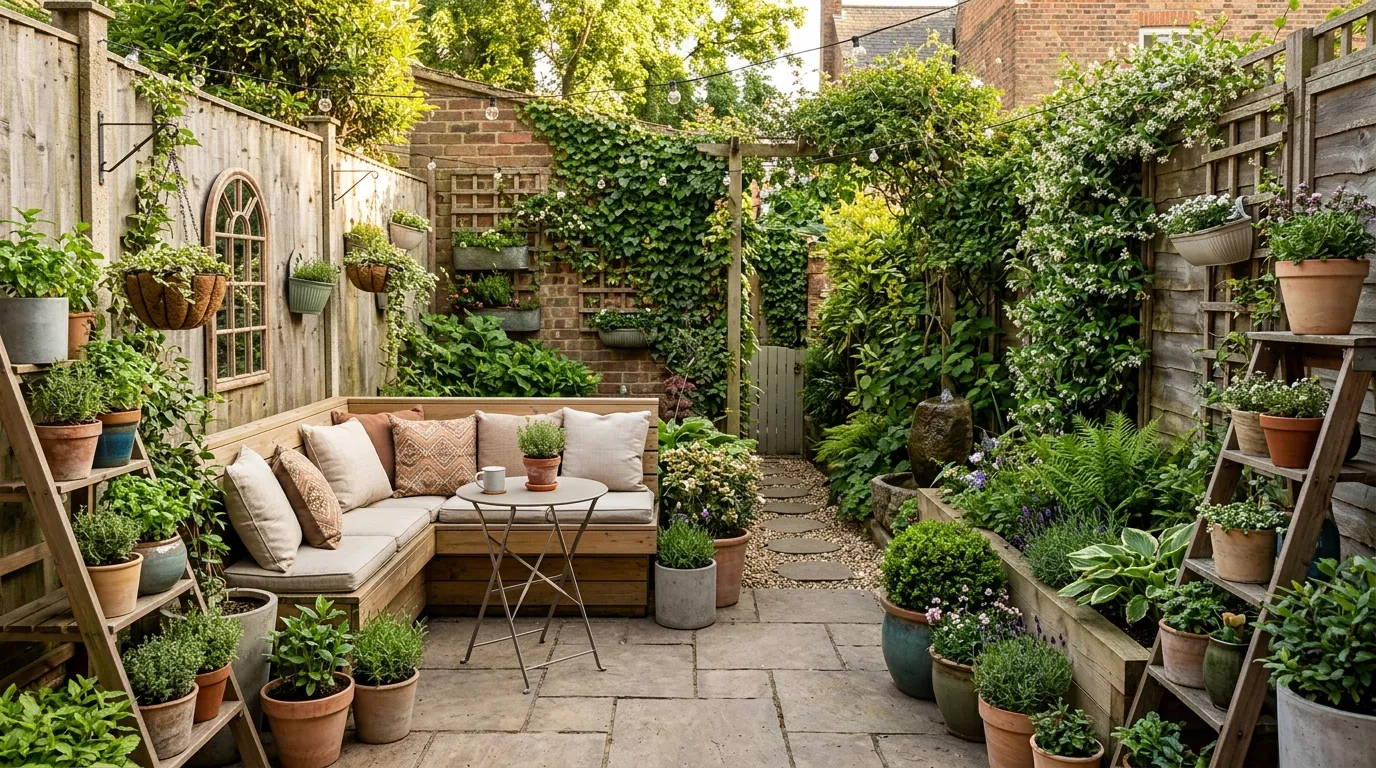
A tiny yard can still feel like a secret garden. Small garden ideas work because they use every wall, corner and windowsill, not just the ground. In this guide, you will find 26 practical ways to grow more flowers, herbs and vegetables in less space, from vertical planters to shady fern corners. I’ve noticed that most people think they need a bigger yard, when they really need a smarter layout. I’ve tried many of these on balconies and narrow beds and the results surprised me every time. Each idea is simple, beginner friendly and easy to pin for later. Scroll on, pick your favorites and start with one small change this weekend.
Vertical Pallet Garden
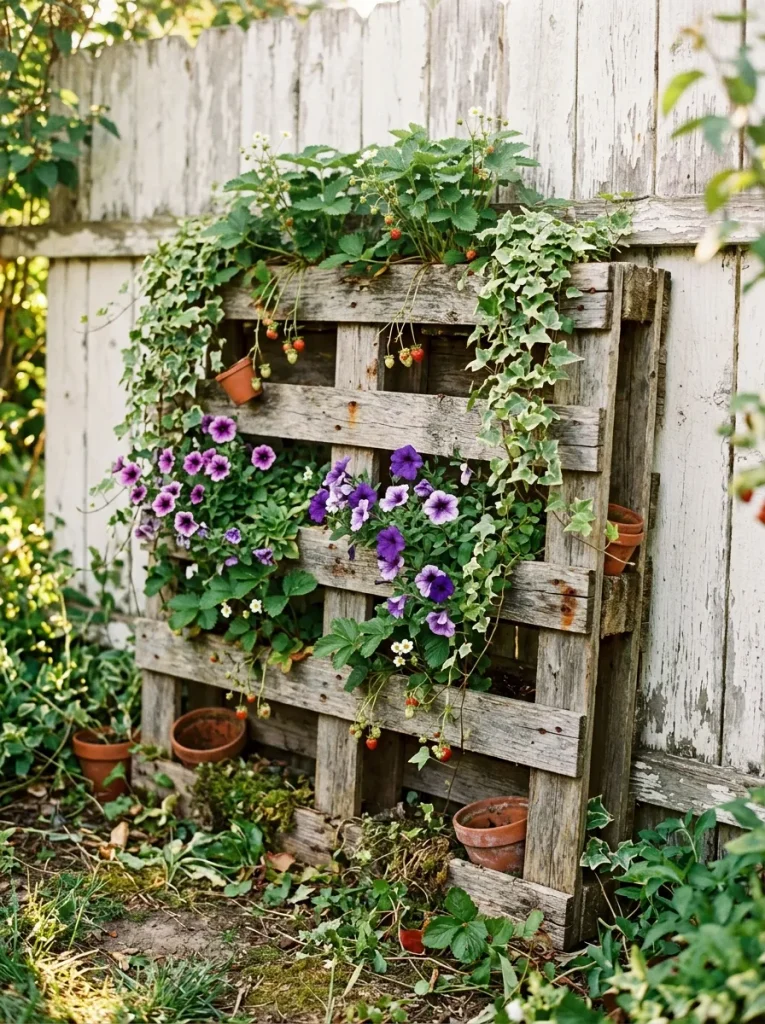
Floor space disappears fast in a tiny yard, but walls never run out. A wooden pallet leaned against a fence turns one bare strip into a planting wall. Line the slats with landscape fabric, fill the gaps with potting mix and tuck in herbs or strawberries.
I’ve noticed that shallow roots do best here, so skip carrots and choose thyme, lettuce, or trailing flowers. Look for a stamp reading HT, which means heat treated and avoid pallets marked MB. Water from the top and let it drip down through each row.
Tiered Plant Stand

- One footprint, three levels of planting. A stand only 18 inches wide can hold nine pots.
- Put sun lovers like geraniums and rosemary on the top tier. Shade tolerant mint and ferns belong on the bottom.
- Mix pot sizes so the arrangement looks layered, not lined up. Larger pots go low and small ones go high.
- Choose a stand with a weighted base. Wind tips lightweight racks over more often than you would expect.
- Rotate the stand a quarter turn each week so every plant gets even light.
Height gives a tiny patio structure. A stand placed beside the door doubles as a mini herb station, so basil is one step away when dinner needs it. Water the top tier first, since runoff feeds the pots below it and saves you extra trips with the can.
Railing Planter Boxes

Quick Tip:
Neighbors below will thank you for a drip tray. Measure the rail width before buying, and pick boxes with brackets that grip both sides of the rail.
Balconies rarely have an inch to spare, yet the railing sits unused. Among the smartest small garden ideas for apartments, a row of boxes filled with trailing petunias and compact lettuce adds color and a harvest without touching the floor. Check your lease and rail weight limits first.
Read More: 28 Garden Design Ideas Inspired by English Cottages
Hanging Basket Cluster

Before: Your eyeline hits a flat wall and a bare patch of paving. Every pot sits on the ground, so the bottom feels crowded and the top feels empty.
After: Three baskets now hang at different heights from one sturdy bracket. Color fills the air at eye level, and the ground stays clear for walking.
Screw the bracket into solid masonry or timber, since wet coir gets heavy fast. I’ve noticed that cascading plants like fuchsia and bacopa fill out in about three weeks with regular feeding. Water every morning in summer, because hanging baskets dry out far quicker than pots on the ground.
Compact Herb Spiral

- Mark a circle about 4 feet wide in your sunniest corner and clear the grass. Aim for at least six hours of direct sun.
- Stack bricks or fieldstone in a rising spiral, ending about 2 feet tall at the center.
- Fill the top with a gritty mix of soil and sand and use richer compost near the bottom.
- Plant rosemary and thyme up high where drainage is sharp. Put parsley and chives at the base where moisture collects.
A spiral packs dry and damp microclimates into just a few square feet. Mint behaves better here when planted inside a sunken pot, because its roots stay put. Pick herbs you cook with weekly and the spiral will earn its footprint quickly. Water the top level more often, since it drains fastest.
Raised Corner Bed

| Point | Standard Row Bed | Raised Corner Bed |
|---|---|---|
| Wasted space | Dead corners go unused | Fills the corner fully |
| Soil quality | Native soil, often compacted | Fresh mix you control |
| Drainage | Puddles in heavy clay | Drains freely |
| Reach | Bending low every time | Easier access at bed height |
Corners often sit idle because nothing fits them. A triangular frame solves that and keeps the middle of the yard open. Fill it with a loose, compost rich mix. Keep every plant within 3 feet of an edge so you never need to step into the soil.
Mirror Illusion Wall
Do:
- Choose a mirror rated for outdoor use with a sealed backing.
- Angle it slightly downward so it does not reflect the sky.
- Place it opposite your best planting so the greenery doubles.
- Frame the edges with ivy or climbers to soften the glass.
Don’t:
- Don’t aim it at direct afternoon sun, which can scorch nearby leaves.
- Don’t hang it where birds fly straight toward it.
- Don’t use an indoor mirror, because damp will ruin the backing.
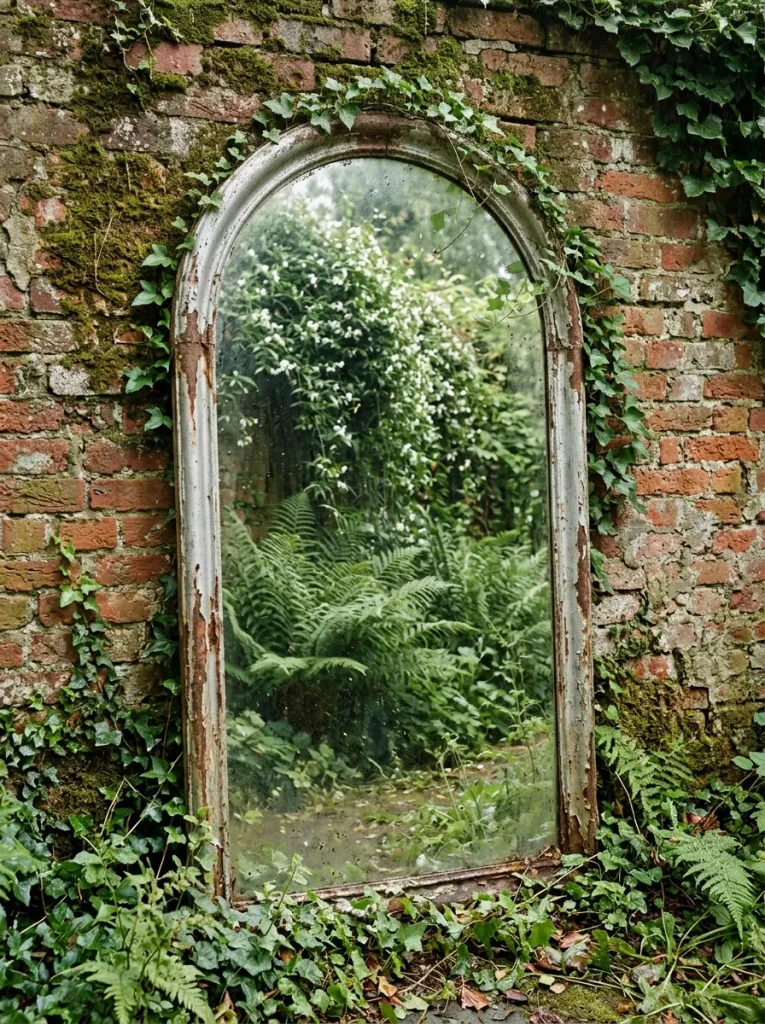
A mirror borrows depth from the plants in front of it. Hang it at the end of a path and the garden seems to keep going. I’ve noticed visitors reach for the frame thinking it is a doorway, which tells you the trick works. Check the position at noon to avoid glare.
Container Vegetable Patch
Cost: Low to medium | Time: One weekend to set up
Skill Level: Beginner
Best For: Patios, decks and paved yards
Container Size: At least 5 gallons per tomato or pepper plant
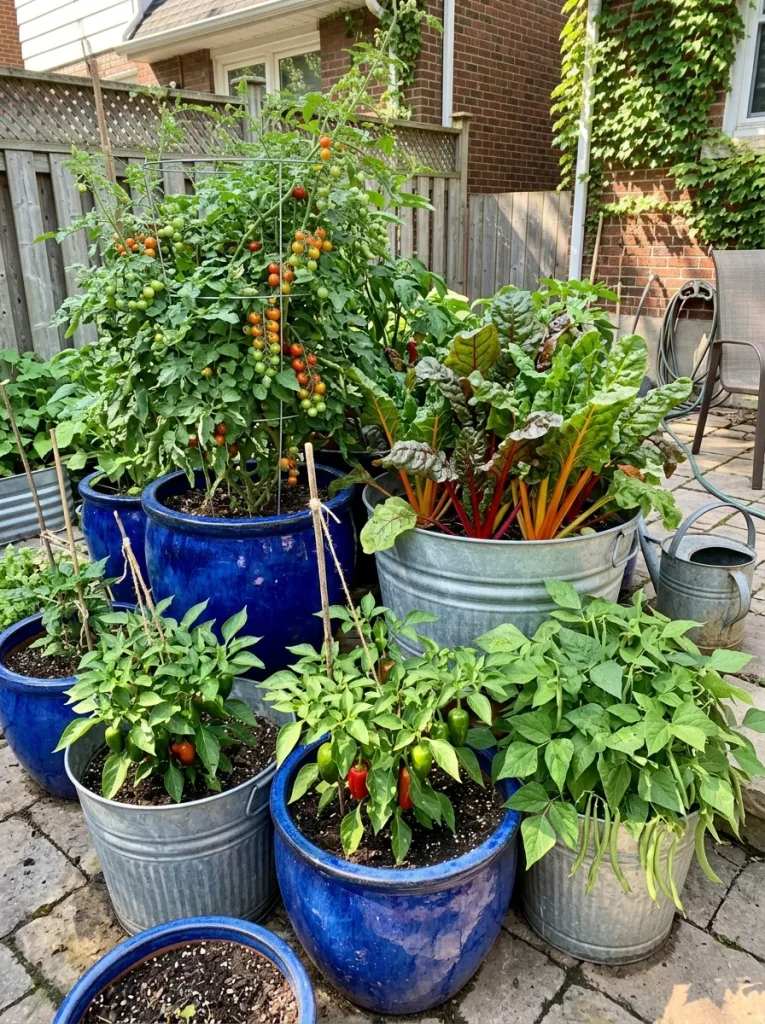
Paving can grow dinner too. Group containers by sun and water needs so watering stays simple. Cherry tomatoes, chard and bush beans forgive beginner mistakes. Mulch the top inch of soil, because pots lose moisture quickly on hot days. Harvest often, since picking encourages more fruit.
Fairy Light Canopy

Nights are when a tiny garden finally gets its moment. String lights crisscrossed between two fences or sturdy posts create a glowing ceiling and the yard suddenly feels like an outdoor room with walls and a roof. Evening meals outside start to feel planned, not squeezed in.
Hang them about 7 feet up so tall guests will not bump them and choose a plug in or solar set rated for outdoors. Warm white bulbs flatter foliage better than cool blue ones. Add a timer so the glow arrives at dusk on its own.
Narrow Border Planting
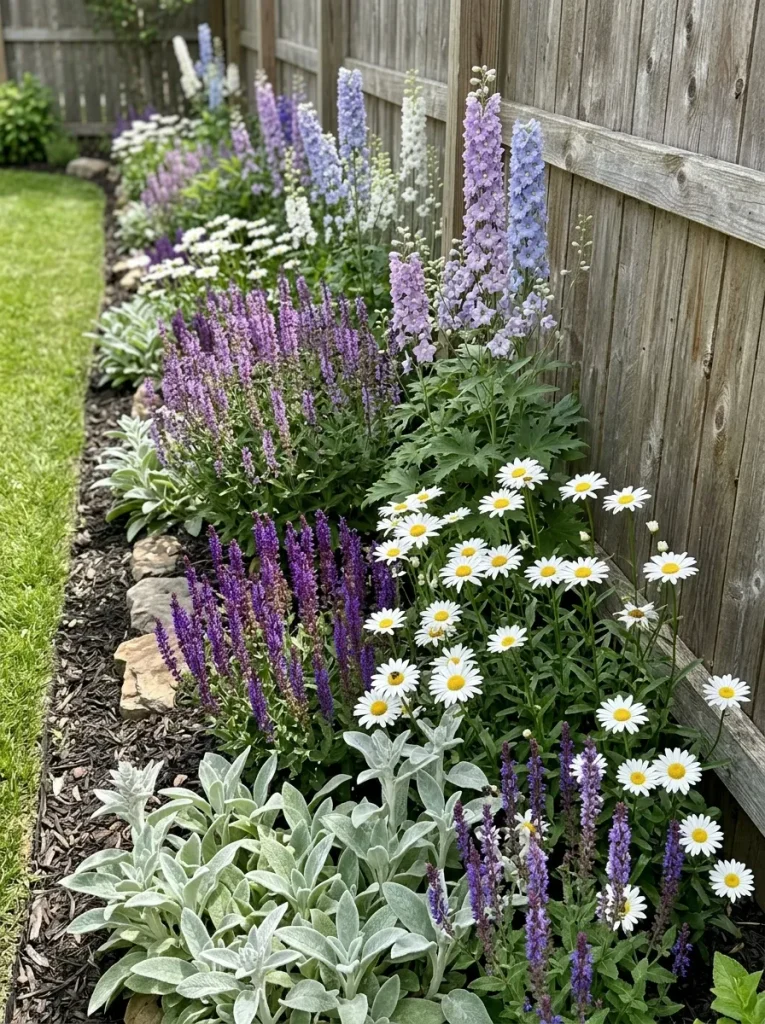
- Plant tall delphiniums at the back, mid height salvia in the middle and low lamb’s ear at the front.
- Stick to three or four repeated plants. Repetition makes a thin strip look planned, not scattered.
- Space plants slightly closer than the tag suggests for a full look from the first summer.
- Choose upright growers, since sprawling plants swallow narrow beds fast.
Even a 2 foot strip can hold a full planting scheme. I’ve seen beds this narrow look richer than wide ones, simply because every inch is working. Edge the front with a crisp line of the spade each spring and the border will always read as intentional.
Gravel Path Curve
Quick Tip:
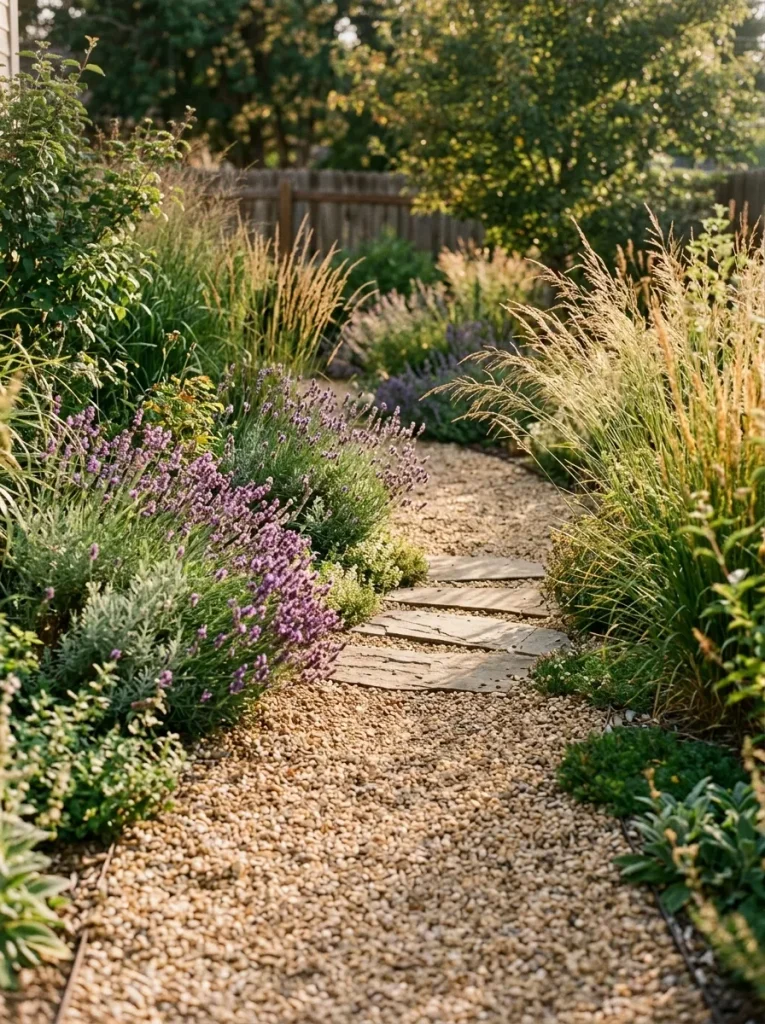
Lay a weed membrane under the gravel before spreading a 2 inch layer. Choose 10 mm pea gravel, which stays put better than large stones. Edge the path with steel or timber to keep gravel off the beds.
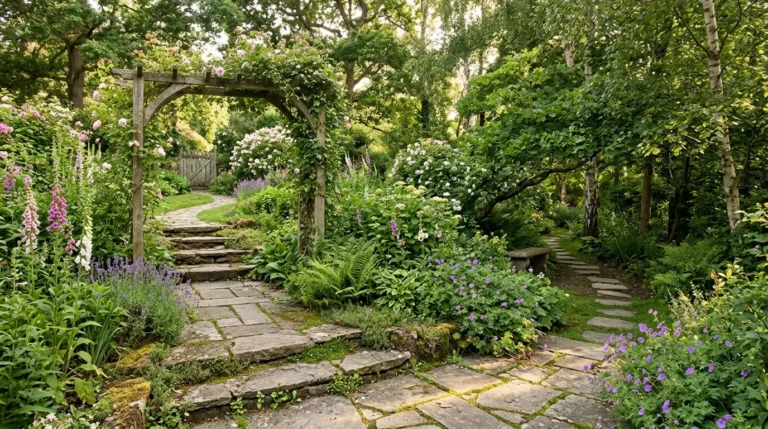
A straight path shows you the whole yard at once. A curve hides what comes next, so even 15 feet feels longer. Walk the route with a garden hose laid on the ground first, then adjust the bend until it feels natural underfoot before you dig.
Window Box Herbs
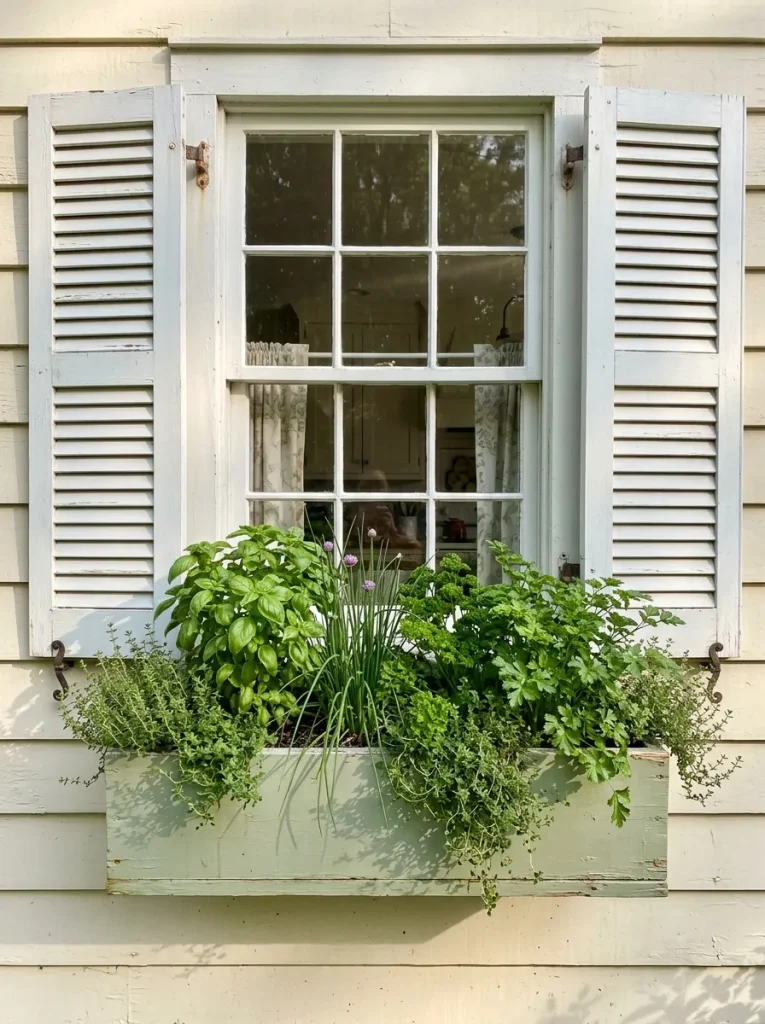
Before: Fresh herbs live in plastic packs in the fridge and wilt within days. You buy a bunch for one recipe and toss most of it.
After: A window box outside the kitchen holds basil, chives and parsley within arm’s reach. Snip what you need and leave the rest growing.
Choose a box at least 8 inches deep so roots have room. Mix a little compost into the potting soil and keep basil away from cold drafts. Snip stems just above a leaf pair to keep plants bushy. Rotate harvests so no single herb gets stripped bare.
Trellis Climbing Beans
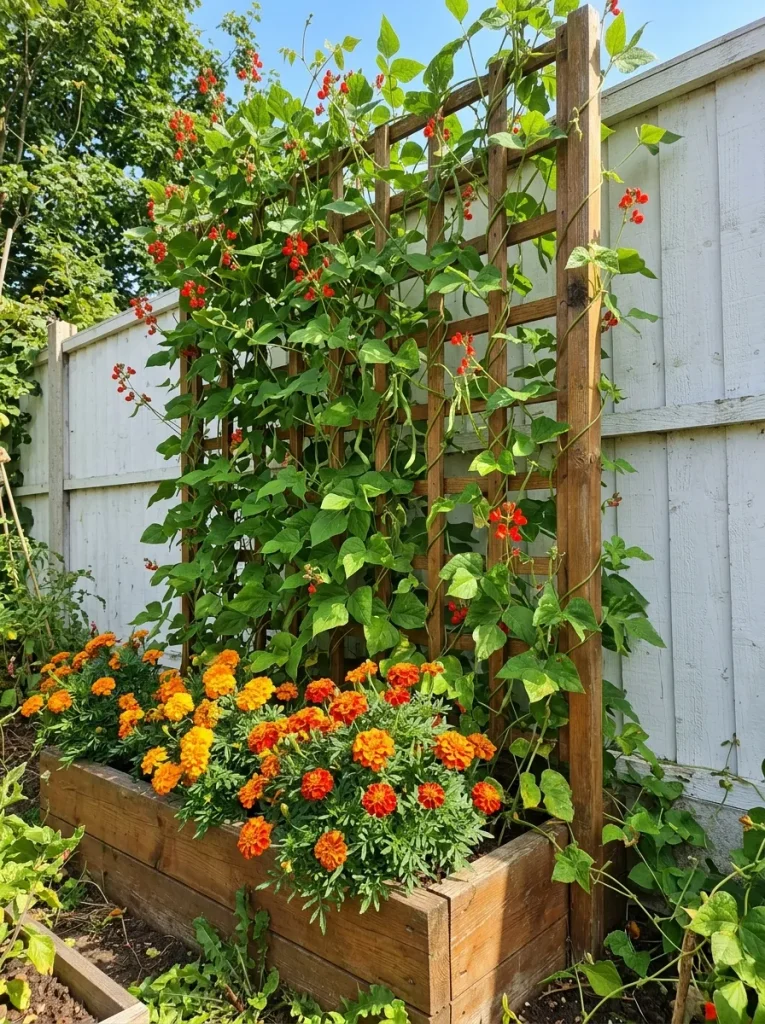
- Fix a 6 foot trellis or bamboo frame firmly at the back of a bed, because beans get heavy by midsummer.
- Sow seeds at the base after the last frost, about 2 inches deep and 4 inches apart.
- Guide the first shoots toward the support with soft ties, and they will climb on their own after that.
- Pick pods every two days. Regular picking keeps plants producing until autumn.
Beans grow up, not out, so a patch only 2 feet wide can still feed a family. In my experience, runner beans also draw bees, which helps nearby squash and tomatoes set fruit. Plant a few sunflowers at one end for extra shelter from wind.
Dwarf Fruit Trees

| Point | Full Size Tree | Dwarf Tree |
|---|---|---|
| Height | 20 feet or more | 6 to 8 feet |
| Time to fruit | 5 to 8 years | 2 to 3 years |
| Harvest | Needs a ladder | Reachable from the ground |
| Pot friendly | No | Yes, in a 20 inch container |
Fruit does not need an orchard. Few small garden ideas pay back like a single dwarf apple or pear, with blossom in spring and fruit by autumn. Check that your variety is self fertile or plant two that pollinate each other. Water deeply once a week through summer.
Stackable Planter Tower

Do:
- Fill each tier with light potting mix, since heavy soil adds weight and slows drainage.
- Plant strawberries in the side pockets and lettuce on top.
- Place the tower where it gets 6 hours of sun.
- Turn it weekly so growth stays even.
Don’t:
- Don’t overfill the top tier, because water will overflow onto the pots below.
- Don’t stack more than 4 tiers on a windy balcony.
- Don’t skip feeding, since small pockets run out of nutrients fast.
A tower holds a dozen plants in a circle 16 inches wide. That is a salad bar in the footprint of a bucket. Feed every two weeks with a liquid tomato food and pinch runners off strawberries so energy goes into fruit. Best for renters with a small deck.
Bistro Seating Nook

Cost: Low
Time: One hour to set up
Best For: Corners as small as 4 by 4 feet
Result: A spot to sit that makes the garden feel used
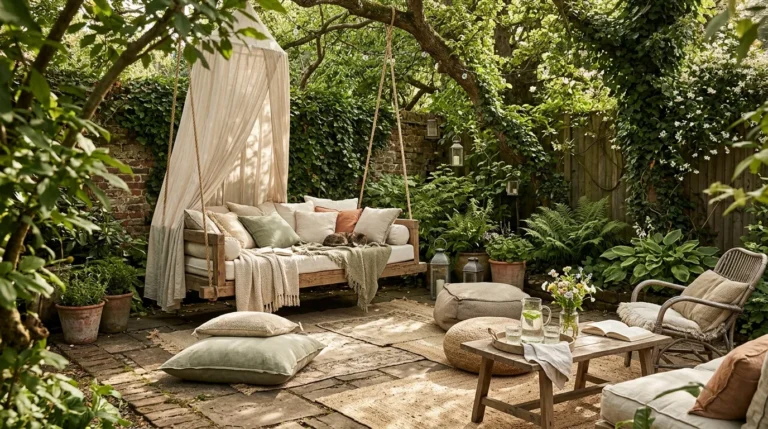
A garden you can sit in gets visited more. I’ve noticed small yards feel bigger once there is a nice place to pause and look back at them. Choose a table around 24 inches wide and fold the chairs flat against the fence when guests leave.
Water Bowl Feature
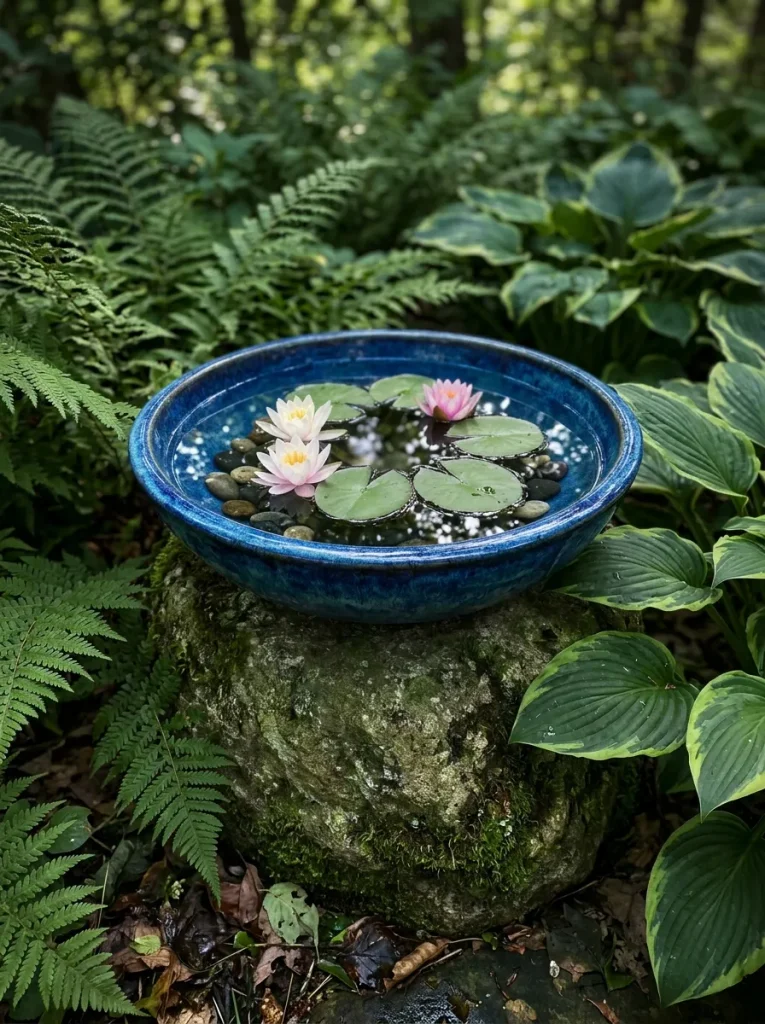
Still water makes a small garden feel calmer. A glazed bowl on a stone base needs no pump, no digging and no plumbing, just a spot with partial shade and a level surface. The surface catches sky and leaves, which adds light where plants cannot.
Fill the bowl with rainwater when you can, and top it up weekly. Add one dwarf water lily or a few floating plants to keep algae down. Empty and scrub it each spring and keep a stone ramp so birds and bees can drink safely.
Shade Corner Ferns

- Start with the soil. Dig in leaf mold or compost so the ground holds moisture without staying soggy.
- Layer ferns at the back, hostas in the middle and astilbe near the front for height variation.
- Pick hostas with pale or variegated leaves, because they brighten dark corners.
- Skip sun lovers like lavender here. They stretch and flop in low light.
- Water at the base in the morning so slugs have less reason to feast overnight.
Shade is not a problem to fix. It is a different palette, cooler and calmer and it suits a small yard that already has a wall or fence casting shadow. Many shade plants return bigger every year, so a single planting day can last a decade.
Succulent Wall Frame
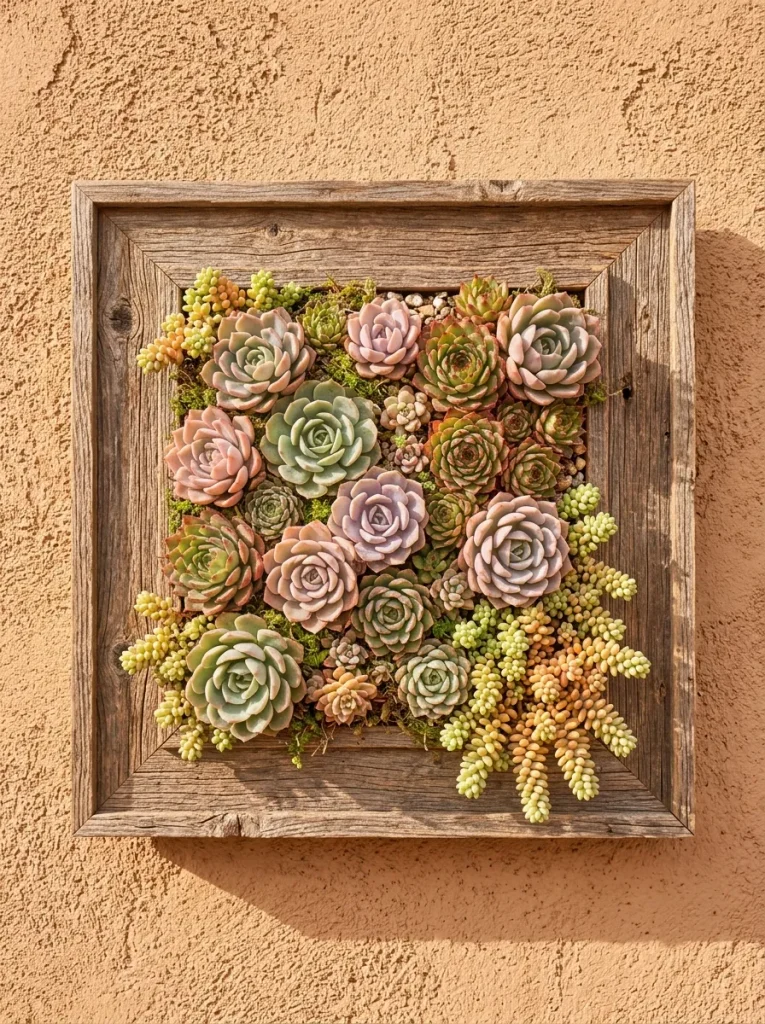
Quick Tip:
Lay the frame flat for four weeks after planting so the roots can grip the soil. Use cactus mix packed firmly behind chicken wire. Water lightly once every 10 days.
Wall space is free real estate in a small garden. A framed succulent panel gives you living art that never needs repainting. I’ve tried this on a sunny south wall and the plants colored up beautifully by midsummer. Give it half a day of sun, and bring it under cover in frost.
Rain Barrel Station
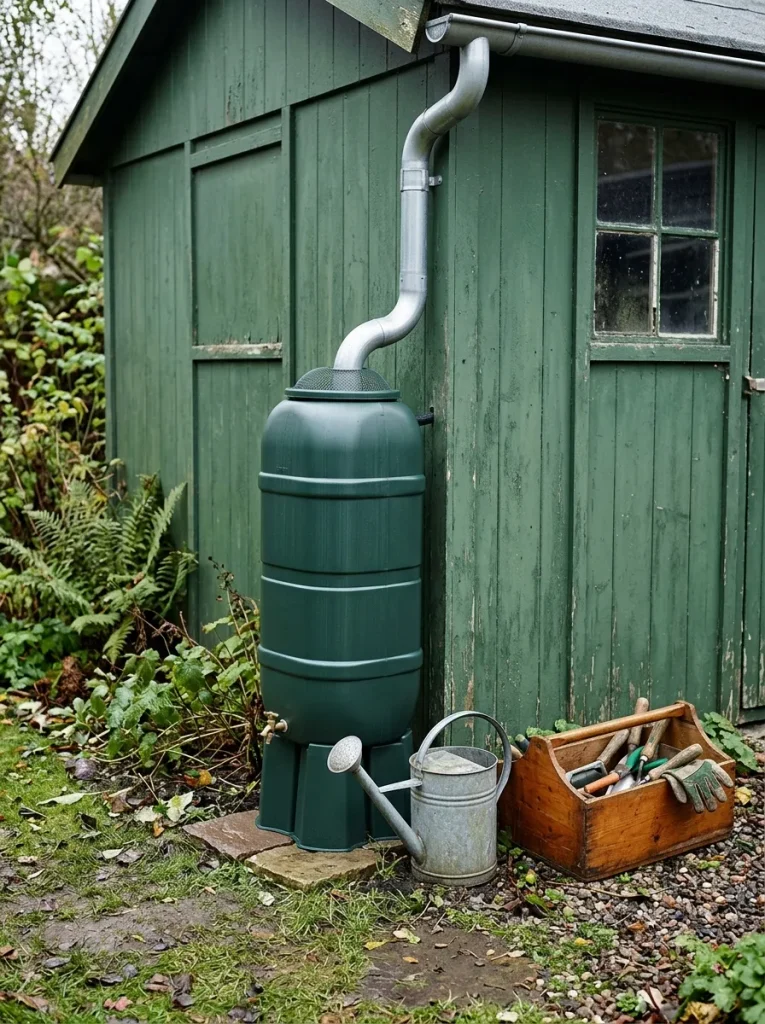
Before: You drag a hose across the yard every evening. Tap water costs money and plants never seem as happy as they do after a storm.
After: A slim barrel under the downspout fills during every shower. Dip the can in and water straight from the barrel in about a minute.
A single downspout can fill a 50 gallon barrel from one rainy afternoon. Fit a mesh lid to stop mosquitoes and a tap near the base so a can slides under. Use the water within a week or two and leave a gap for overflow to drain away from the wall.
Gutter Garden Row
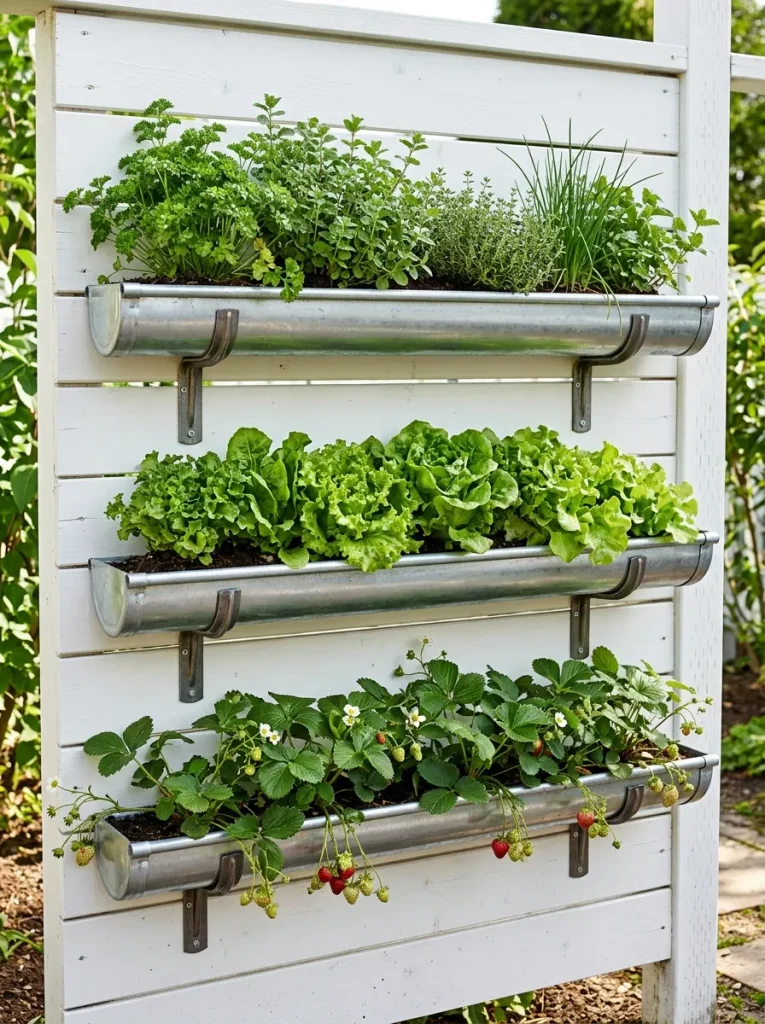
- Mount sturdy brackets every 2 feet on a fence or wall and set the gutters level.
- Drill drainage holes every 6 inches along the bottom and cap the open ends.
- Fill with light potting mix and plant shallow rooted crops like lettuce, radishes and strawberries.
- Water gently at one end with a watering can and let the water move along the channel.
A gutter holds only about 3 inches of soil, so shallow rooted crops and frequent feeding are the rule. That limit is also the appeal, since 8 feet of fence becomes a salad garden for the price of one large pot. Replant lettuce every four weeks for steady harvests.
Foldable Garden Furniture
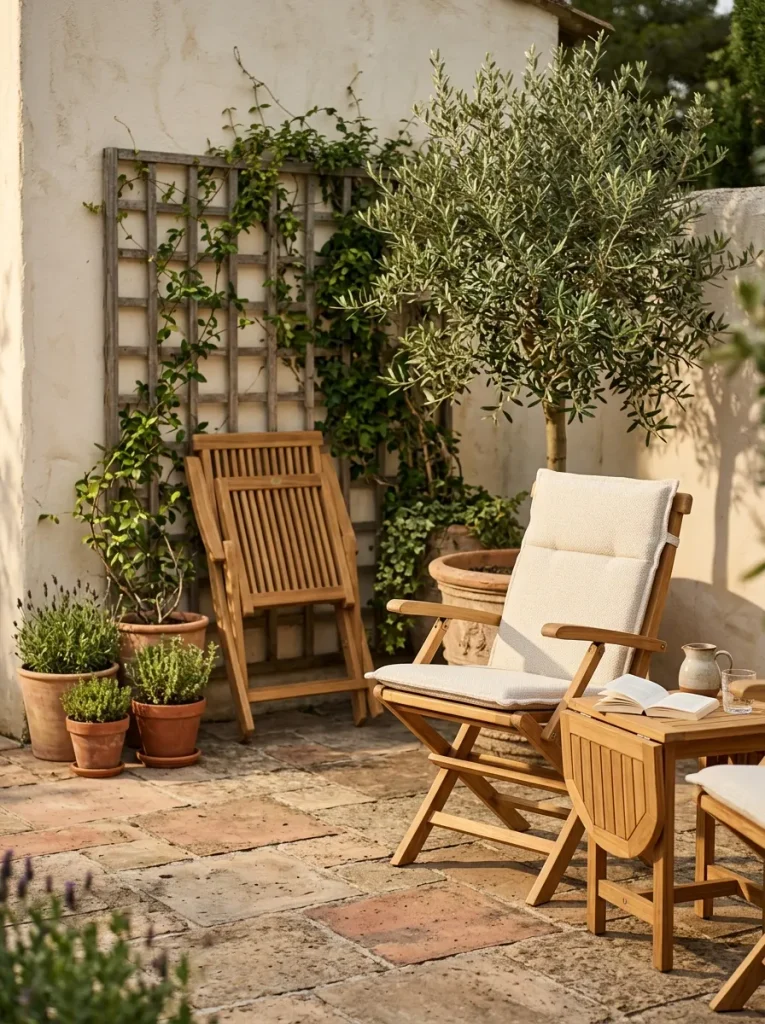
| Point | Fixed Set | Foldable Set |
|---|---|---|
| Floor space | Always taking up room | Folds flat in seconds |
| Garden access | Blocks planting beds | Moves out of the way |
| Storage | Needs a cover or shed space | Hangs on a fence hook |
| Layout | One arrangement only | Changes for every occasion |
Furniture should serve the garden, not compete with it. In my experience, a small patio feels twice as big when the chairs vanish after dinner. Look for teak or powder coated aluminum, since both survive rain and hang folded chairs on wall hooks to keep them off the soil.
Pebble Mulch Beds
Do:
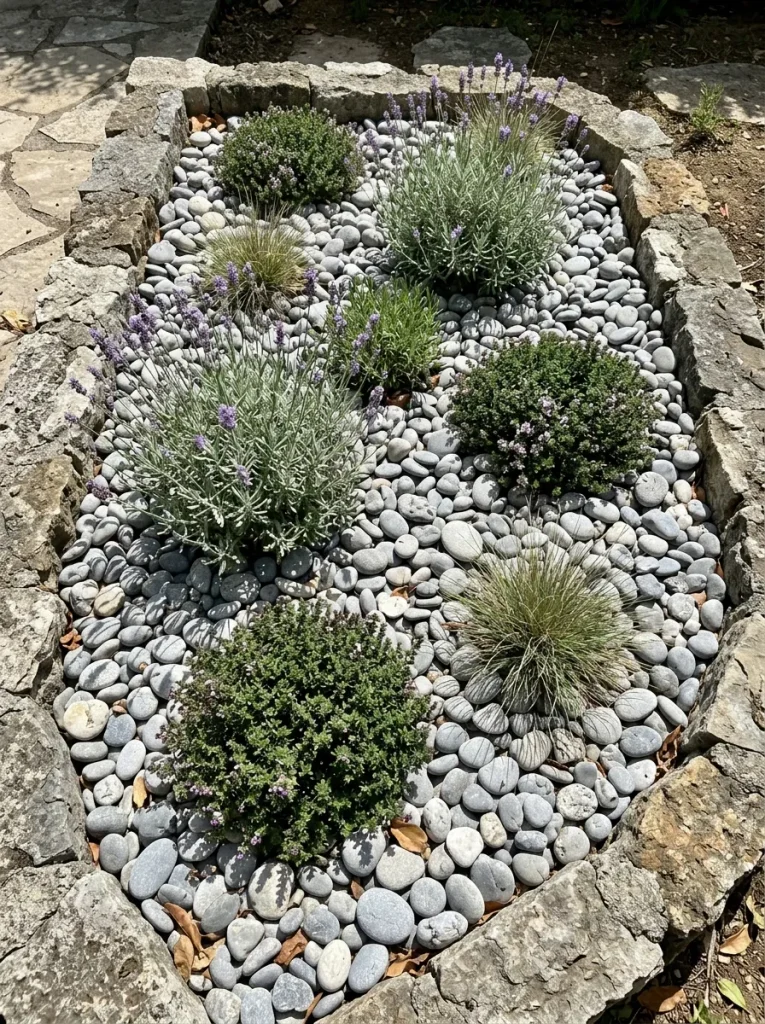
- Lay landscape fabric first, then spread 2 inches of pebbles on top.
- Choose drought tolerant plants like lavender, thyme, and sedum.
- Keep pebbles a few inches from plant stems to prevent rot.
- Top up thin spots each spring after winter rain.
Don’t:
- Don’t use pebbles around plants that need constantly damp soil.
- Don’t pile stones against wooden fences, since they trap moisture.
- Don’t skip edging, because pebbles migrate onto lawns and paths.
Pebbles suppress weeds and shed water quickly, which means fewer chores and less rot for Mediterranean plants. They also reflect light into dim corners. Pick one color family, either warm beige or cool grey, because mixing too many stone shades makes a small bed look busy.
Pergola Climbing Roses
Cost: Medium
Time: One weekend to build
Skill Level: Intermediate
Best For: Patios needing shade and privacy
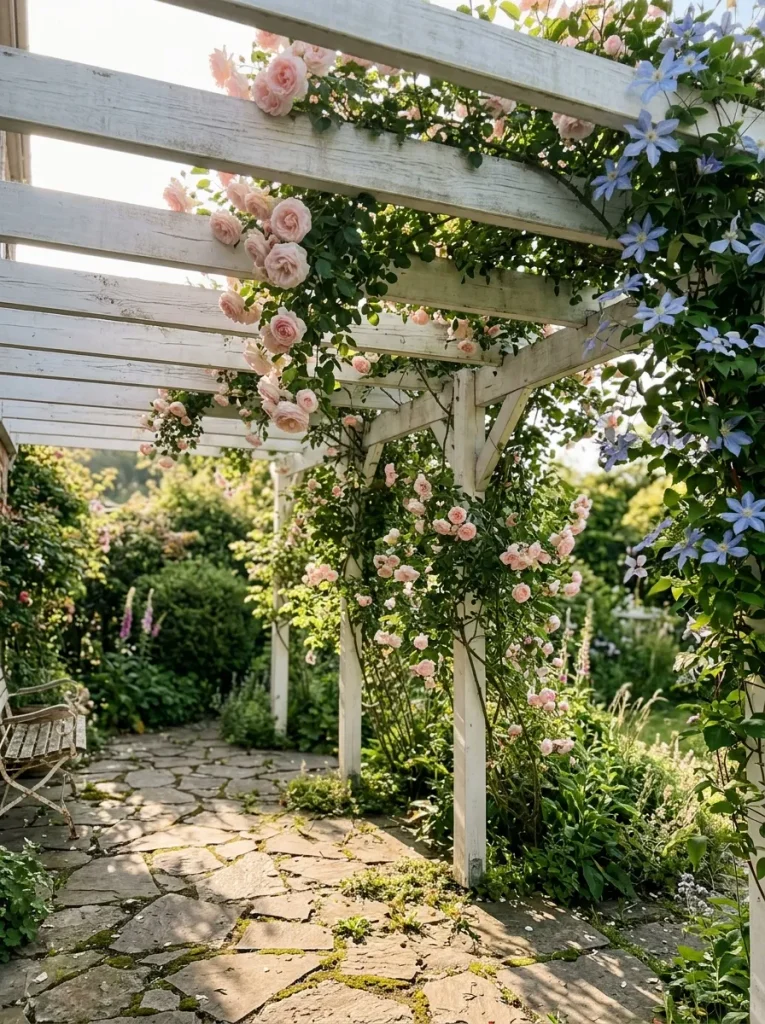
A pergola adds a ceiling and a ceiling makes a small yard feel like a room. Train rose canes sideways along the beams, since horizontal stems produce more flowers than upright ones. Pick a thornless or low thorn variety if the pergola sits above a seating area.
Wheeled Planter Cart
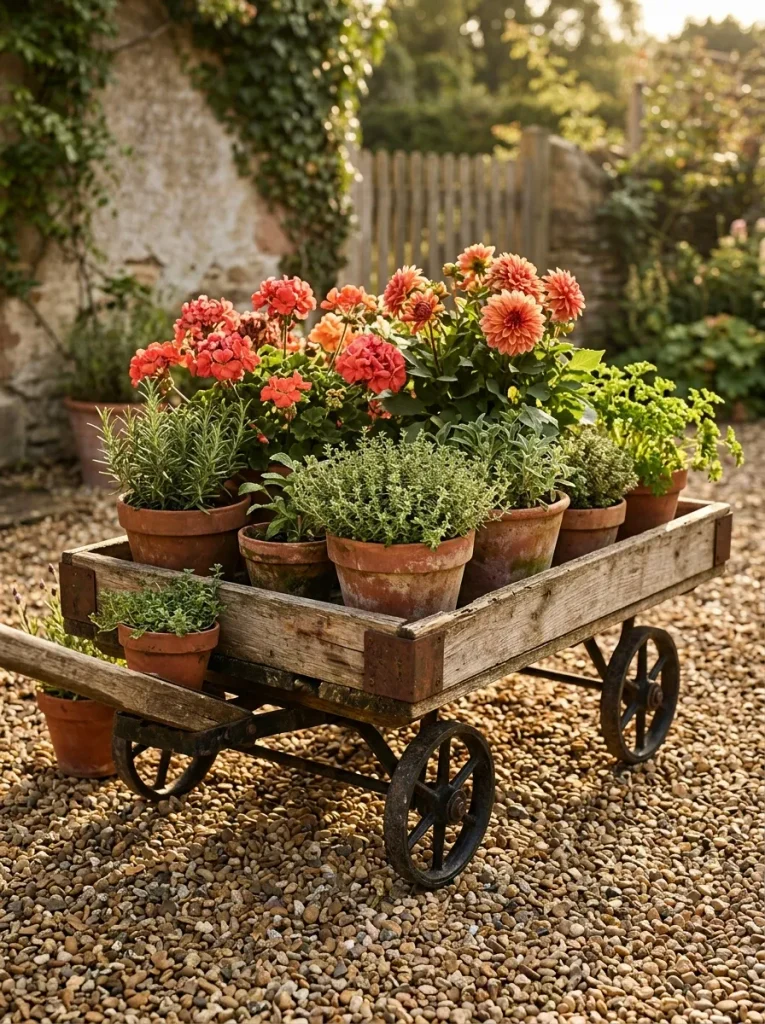
Plants that follow the sun are happier plants. A wheeled cart lets you roll geraniums into light at noon and tuck tender dahlias away on a cold night. In a tiny yard, that mobility replaces a lot of extra space. One push clears the patio for guests.
Pick a cart with locking wheels and a lipped shelf, so pots stay put on slopes. Group pots of similar water needs together and keep a saucer under each one. I’ve seen tall carts tip over, so keep heavy ceramic pots on the bottom shelf. Roll it under cover before frost.
Mini Wildflower Meadow

- Mark out a patch as small as 4 by 4 feet and remove all grass and weeds first.
- Rake the soil rough and skip fertilizer, because wildflowers thrive in poor ground.
- Scatter a native seed mix on a calm day, then press it in by walking over it.
- Water lightly for the first six weeks until seedlings establish.
- Mow once in late autumn so seeds drop and refresh the patch next year.
Small garden ideas do not get more joyful than a patch left slightly wild. Bees arrive in the first season, and the meadow changes color every few weeks from blue to red to gold. Choose seed mixes labeled for your region so the plants suit local soil and pollinators.
Conclusion
A small space is never a limit. It is simply an invitation to be creative. Whether you start with a hanging basket, a herb spiral or a cozy bistro nook, these small garden ideas prove that beauty and harvests fit in any corner. I’ve seen how small changes like these can completely shift the way a yard feels. Save this post on Pinterest so your favorites are easy to find, pick one idea to try this weekend and share the article with a friend who has a tiny yard. Your little garden is ready to bloom, so go plant something today.


One Comment