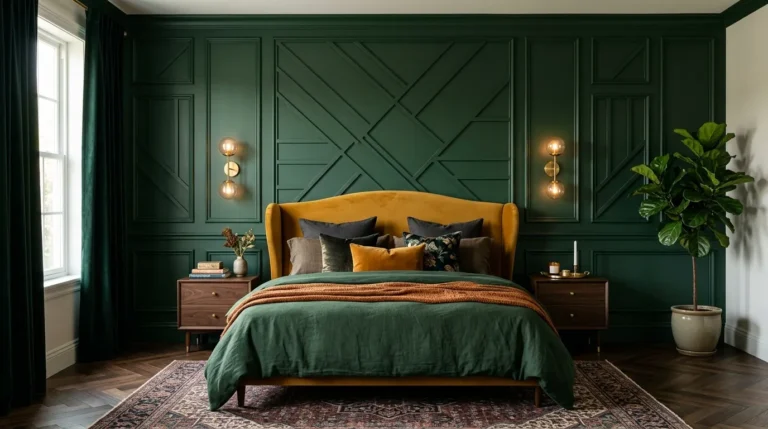
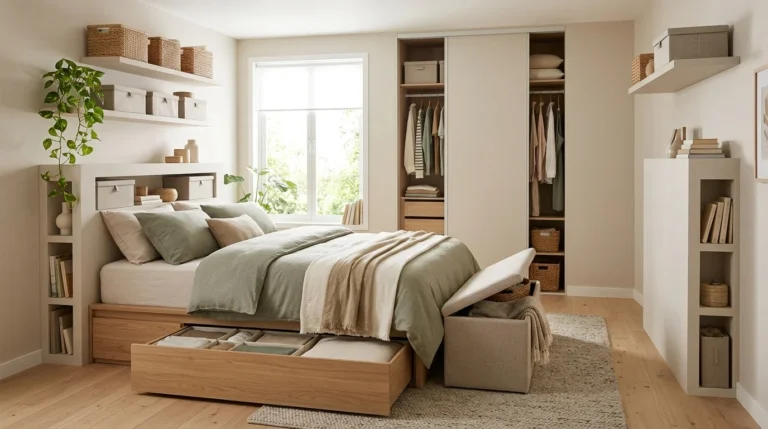
28 Stunning Bedroom Makeover Ideas Worth Trying Now
Your bedroom should feel like your favorite place to unwind, recharge and start each day feeling refreshed. But outdated decor, cluttered surfaces or mismatched colors can make even a comfortable room feel uninspiring.
These Bedroom Makeover Ideas will help you create a space that feels beautiful organized and uniquely yours without requiring a complete renovation. From layered bedding and statement accent walls to cozy lighting, clever storage and elegant finishing touches, these ideas offer inspiration for different styles, room sizes and budgets.
I’ve noticed that small, thoughtful changes can often make a bedroom feel more inviting than buying lots of new furniture. The key is choosing updates that improve both appearance and everyday comfort. Whether you’re refreshing a small apartment bedroom or updating your main bedroom, you’ll find practical ideas you can adapt to your home. Explore these designs, save your favorites on Pinterest and choose a starting point that fits your space and budget.
Layered Neutral Bedding

Layered bedding can make an ordinary bedroom feel more polished without replacing the furniture. Start with crisp white sheets, add a cream duvet and fold a textured quilt across the lower third of the bed. Choose fabrics with different finishes, such as cotton, linen and a subtle knit, to create depth.
The secret is keeping the colors connected rather than identical. Two larger pillows, two standard pillows and one small accent cushion are usually enough for a balanced look. For an affordable refresh, reuse your existing bedding and invest in one beautiful textured layer.
Statement Accent Wall
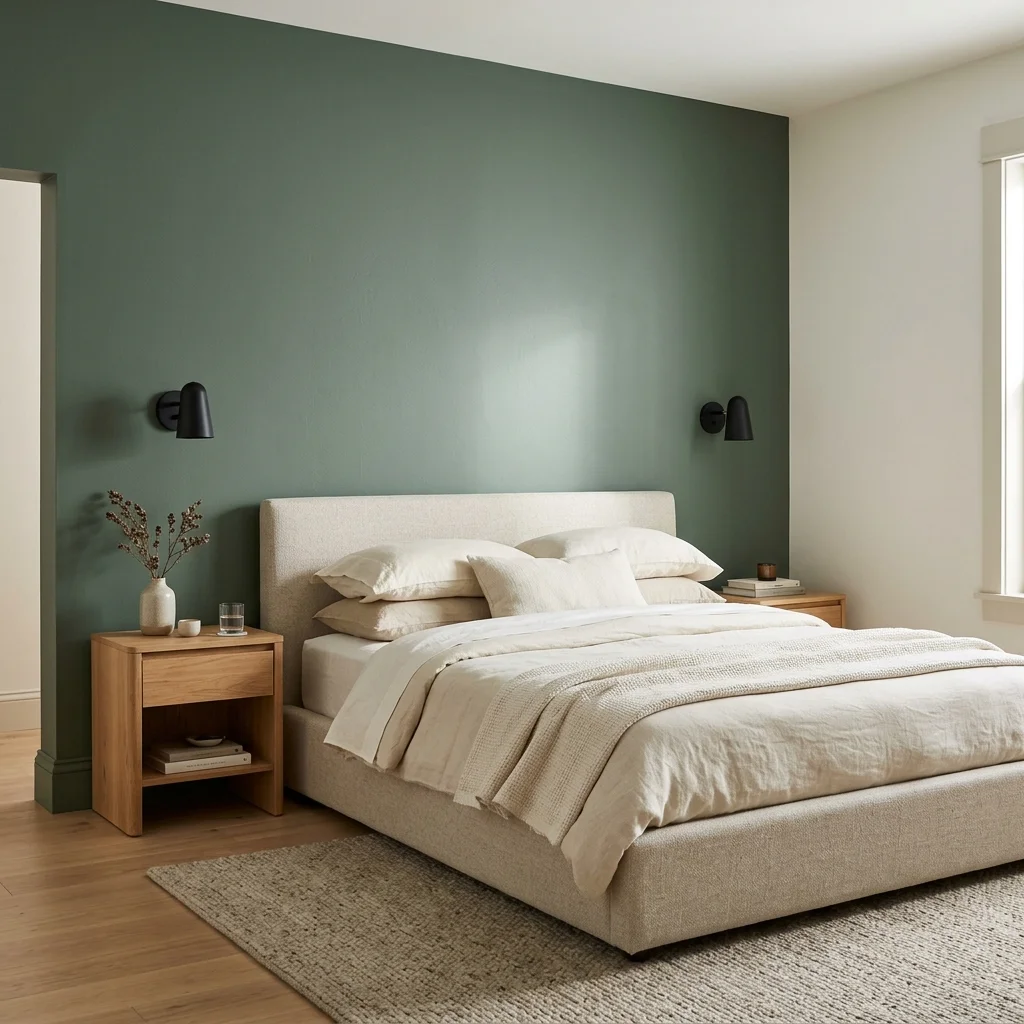
- Choose the right wall. Paint the wall behind your headboard to create a natural focal point without overwhelming the room.
- Test paint samples. Check sage green, muted blue, warm terracotta or deep olive under morning and evening lighting.
- Prepare the surface. Clean the wall, fill small holes and apply primer when the existing color or surface requires it.
- Coordinate your bedding. Use neutral sheets and a few accent pillows that complement the new wall color.
- Keep accessories simple. Let the painted wall remain the main feature instead of covering it with too many decorations.
A painted accent wall is one of the most approachable bedroom makeover ideas because it changes the room’s mood without requiring new furniture. In smaller bedrooms, consider muted shades or a lighter earthy color. A matte finish gives the wall a soft appearance, while careful color coordination helps the entire space feel intentional.
Warm Ambient Lighting

Quick Tip:
Use warm white bulbs around 2700K to create a relaxing evening atmosphere. Place a bedside lamp at a comfortable reading height and use dimmable lighting where possible so the brightness can change throughout the day.
Lighting affects how colors, textures and furniture appear in your bedroom. Replace harsh overhead lighting with two or three softer light sources, such as table lamps, wall sconces or a pendant. Keep the switches accessible from the bed and choose shades that diffuse light instead of producing distracting glare. The result is a room that feels calmer at night while remaining practical for reading, dressing and everyday routines.
Read More: 26 Genius Bedroom Organization Ideas That Save Space
Cozy Reading Nook
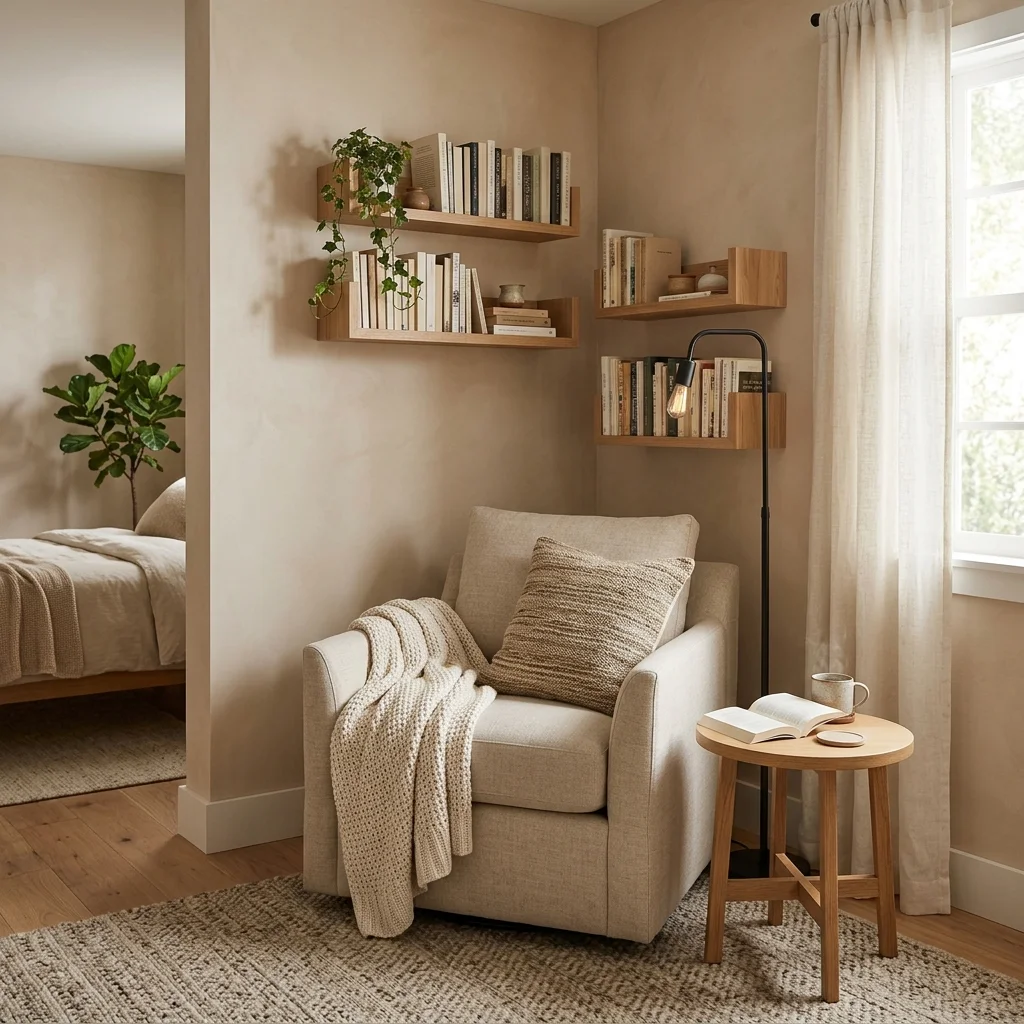
BEFORE: An unused bedroom corner collects laundry, bag or random belongings. The room feels less organized because the space has no clear purpose.
AFTER: A comfortable chair, a small side table and a warm reading lamp turn the corner into a useful retreat. A compact bookshelf keeps favorite books within reach.
A reading nook works especially well in bedrooms with an empty corner near a window. Choose furniture that fits the available floor space, leaving enough room to walk comfortably around it. Add a washable cushion cover and a soft throw for extra comfort. Even a small corner can become a favorite spot for quiet mornings or winding down before bed.
Floating Bedside Shelves

- Measure the bed height. Position each shelf where you can comfortably reach your phone, book or water glass while lying down.
- Choose a suitable size. Allow enough surface space for essentials without making the shelves protrude into walking areas.
- Locate wall supports. Find studs or use mounting hardware rated for your wall type and the intended load.
- Style selectively. Keep only a lamp, a small tray or one decorative object on each shelf.
Floating shelves free up visible floor space and give a bedroom a cleaner appearance than bulky nightstands. They are particularly useful in narrow rooms where every inch matters. Before installing them, check the shelf manufacturer’s weight limits and secure the brackets properly. Matching shelves on both sides of the bed can create symmetry, while different accessories add personality.
Vintage Wood Furniture

| Design Element | Option A: Modern | Option B: Vintage |
|---|---|---|
| Furniture | Sleek, simple shapes | Traditional wood details |
| Hardware | Matte black or chrome | Brass or aged bronze |
| Styling | Minimal accessories | Books, ceramics, framed art |
| Overall mood | Crisp and contemporary | Warm and characterful |
Vintage furniture adds personality without requiring a complete bedroom redesign. A wooden dresser or a single antique bedside table can introduce warmth against modern bedding and simple walls. Check secondhand furniture for sturdy joints, drawer function and signs of moisture damage before buying. Mixing one or two older pieces with contemporary accessories keeps the room from feeling overly themed.
Gallery Wall Above the Bed

DO:
- Arrange paper templates on the wall before drilling.
- Keep frame colors connected through wood, black or brass finishes.
- Leave consistent gaps between neighboring frames.
- Choose artwork that complements the bedding and wall color.
DON’T:
- Hang frames too high above the headboard.
- Mix so many colors that the arrangement feels chaotic.
- Use oversized frames that crowd a small bed.
- Install heavy artwork without appropriate wall anchors.
A gallery wall makes a bedroom feel personal and finished. For a balanced arrangement, center the entire grouping over the bed rather than aligning it with one nightstand. Combine different artwork sizes while maintaining a shared color palette. If you rent your home, lightweight frames and suitable removable hanging products may help reduce wall damage, subject to the manufacturer’s instructions.
Natural Linen Curtains

Cost: Moderate, depending on fabric and window size
Time: Approximately 30 to 60 minutes for installation
Skill Level: Beginner
Best For: Bedrooms that need softness and visual height
Linen curtains introduce movement and texture while softening the hard edges of windows and furniture. Hang the curtain rod higher than the window frame and extend it beyond both sides when space allows. This makes the window feel larger and lets more daylight enter when the curtains are open. For privacy or better light control, add a separate lining or layer suitable window coverings behind them.
Upholstered Headboard

A headboard can change the entire character of a bed without replacing the mattress or frame. Choose a simple rectangular design for a modern room, a curved silhouette for a softer look or a channel tufted style for added texture.
Measure the bed width and available wall height before shopping. Make sure the headboard is compatible with your bed frame or can be safely mounted to the wall. In a compact bedroom, a slim upholstered design offers comfort and visual interest without making the bed feel too bulky.
Colorful Accent Pillows

- Start with a base. Keep the duvet and sheets neutral so accent colors remain easy to change.
- Pick two or three colors. Repeat shades from your artwork, rug or curtains for a coordinated finish.
- Mix textures. Combine smooth cotton, woven linen and one subtle velvet cushion.
- Vary the shapes. Pair standard pillows with one lumbar cushion for visual interest.
Accent pillows offer an affordable way to refresh your bedroom for different seasons or moods. Warm rust and caramel create a cozy autumn palette, while sage and cream feel fresh throughout the year. Avoid filling the bed with too many cushions, especially if you need to remove them every night. Choose removable covers that can be washed according to their care labels.
Peel and Stick Wallpaper

Quick Tip:
Test a wallpaper sample on your wall before committing. Check whether the surface is suitable, follow the manufacturer’s installation instructions and confirm removal guidance if you rent.
Wallpaper introduces pattern without needing additional artwork or decorative accessories. Botanical prints bring a natural feel, while delicate stripes can make a wall appear taller. Small scale patterns often work well in compact rooms because they add detail without dominating the space. Measure the wall carefully, account for pattern matching and order enough material from the same batch to reduce visible differences in color.
Under Bed Storage Drawers

BEFORE: Spare blankets, seasonal clothes and extra pillows occupy the wardrobe or sit in piles around the bedroom. The room feels crowded even though some space remains unused.
AFTER: Low profile drawers or labeled storage bins keep less frequently used belongings underneath the bed. Clear access paths make the room easier to clean and maintain.
Measure the clearance beneath your bed before buying containers and check that drawers can open fully without hitting nearby furniture. Store clean, dry textiles in breathable containers where appropriat and avoid blocking ventilation around the mattress. Under bed storage works best when each container has a clear purpose, such as winter bedding, spare sheets or off season clothing.
Soft Bedroom Rug
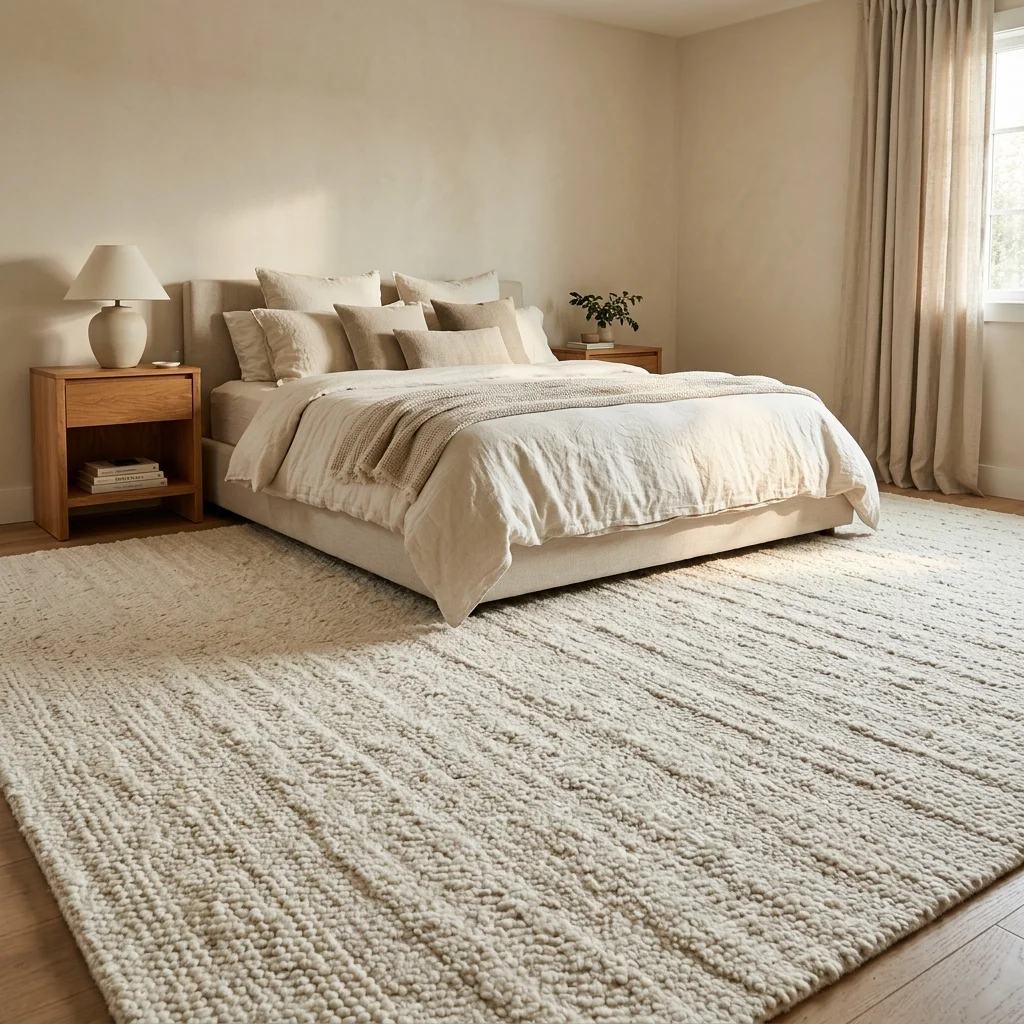
- Measure the bed area. Decide how far the rug should extend beyond the sides and foot of the bed.
- Select the right texture. Choose a flat weave for easy cleaning or a plush pile for a softer feel.
- Coordinate the colors. Use ivory, taupe or a muted pattern that connects the bedding and furniture.
- Add a rug pad. Choose one suitable for your flooring to help reduce slipping and movement.
A rug can make a bedroom feel more cohesive while providing a softer surface underfoot in the morning. In many layouts, a larger rug extending beneath the bed looks more balanced than a tiny rug placed directly at the foot. Check the door clearance and furniture placement before purchasing and choose a material suited to your cleaning routine.
Modern Bedside Pendants
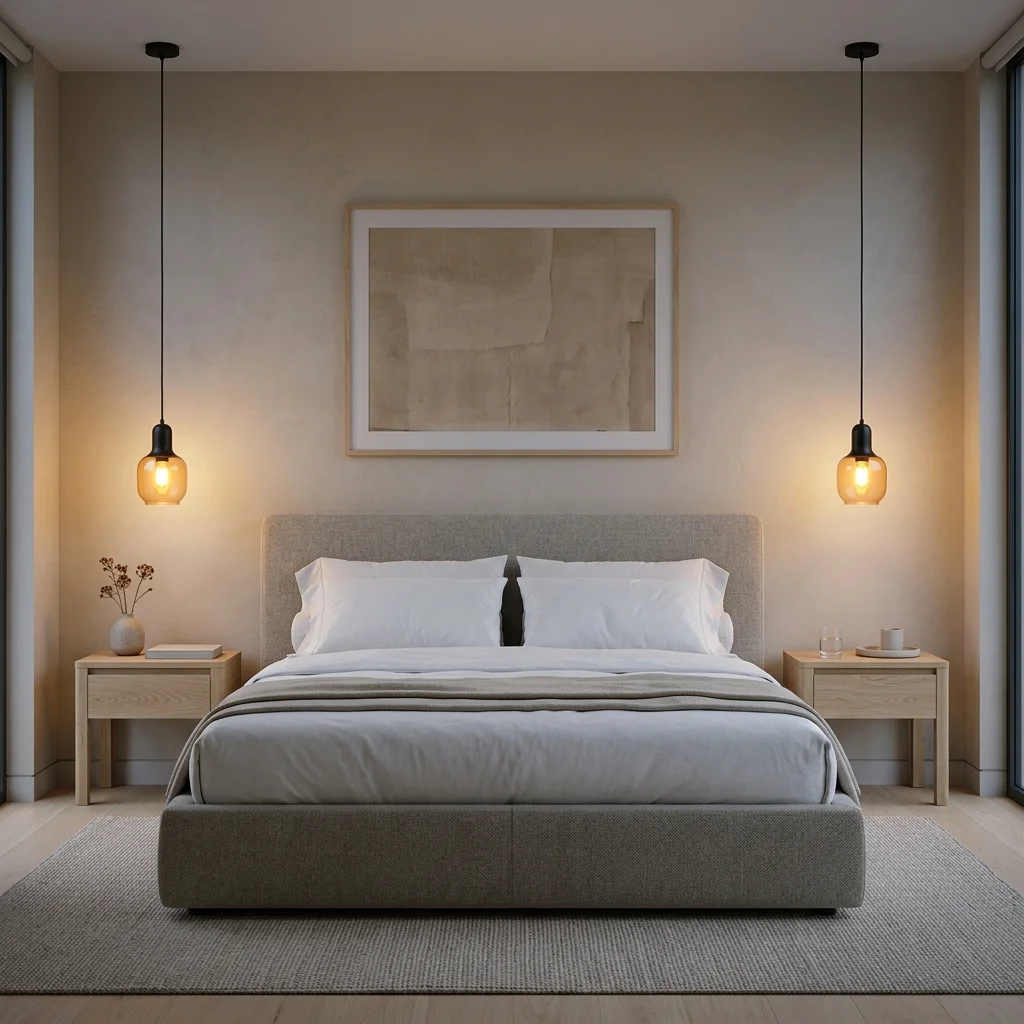
| Design Detail | Option A: Table Lamps | Option B: Pendant Lights |
|---|---|---|
| Surface space | Occupies the nightstand | Leaves the surface open |
| Visual effect | Traditional and familiar | Architectural and modern |
| Installation | Usually straightforward | May require ceiling wiring |
| Flexibility | Easy to reposition | Fixed in place once installed |
Bedside pendants create a clean, uncluttered look while providing useful light for reading. Choose shades that direct light appropriately and position the fixtures so they do not interfere with sitting up or moving around the bed. If new wiring is required, hire a qualified electrician. Renters can achieve a similar effect with suitable plug in pendant systems installed according to their instructions.
Minimalist Bedroom Styling

DO:
- Keep the surfaces you use daily clear.
- Choose furniture with simple shapes and useful storage.
- Repeat two or three main colors.
- Display a few meaningful accessories.
DON’T:
- Remove every personal detail just to follow a trend.
- Buy matching furniture sets without considering proportions.
- Fill empty corners with unnecessary objects.
- Ignore storage needs in pursuit of a clean look.
Minimalist styling works when every item has a purpose, not when the bedroom feels empty or uncomfortable. Start by clearing one surface, then decide which objects genuinely contribute to the room’s function or character. A favorite photograph, a textured throw and a useful bedside lamp can provide enough personality without creating visual clutter.
Canopy Bed Draping
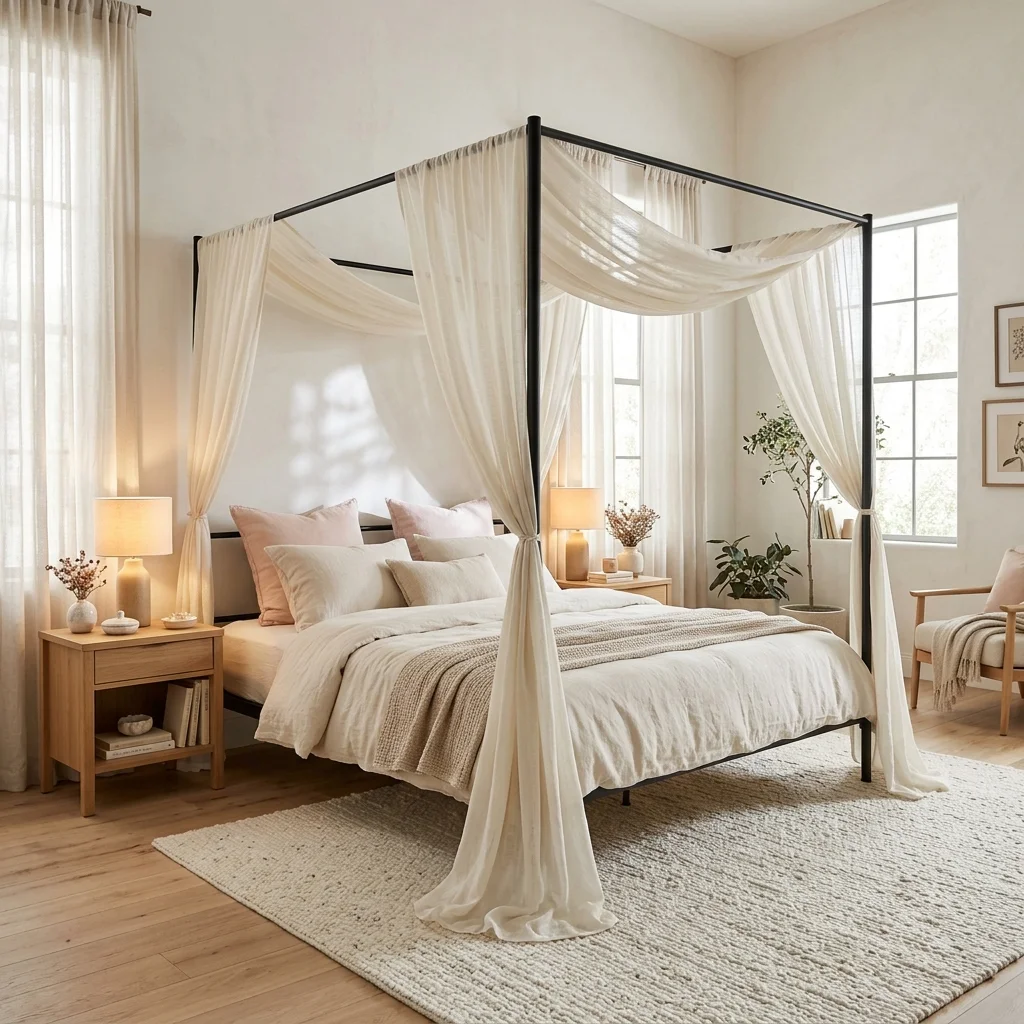
Cost: Moderate to high, depending on the frame and fabric
Time: A few hours for assembly and styling
Skill Level: Beginner to intermediate
Best For: Bedrooms with sufficient ceiling height and walking space
A canopy bed creates a strong focal point and gives a bedroom a softer, more architectural feel. Choose a frame that fits the room without crowding wardrobes or walkways. Lightweight fabric can create an airy effect, while leaving the frame uncovered produces a more modern look. Secure the structure according to the manufacturer’s instructions and keep drapes away from heaters, candles and other heat sources.
Botanical Bedroom Decor
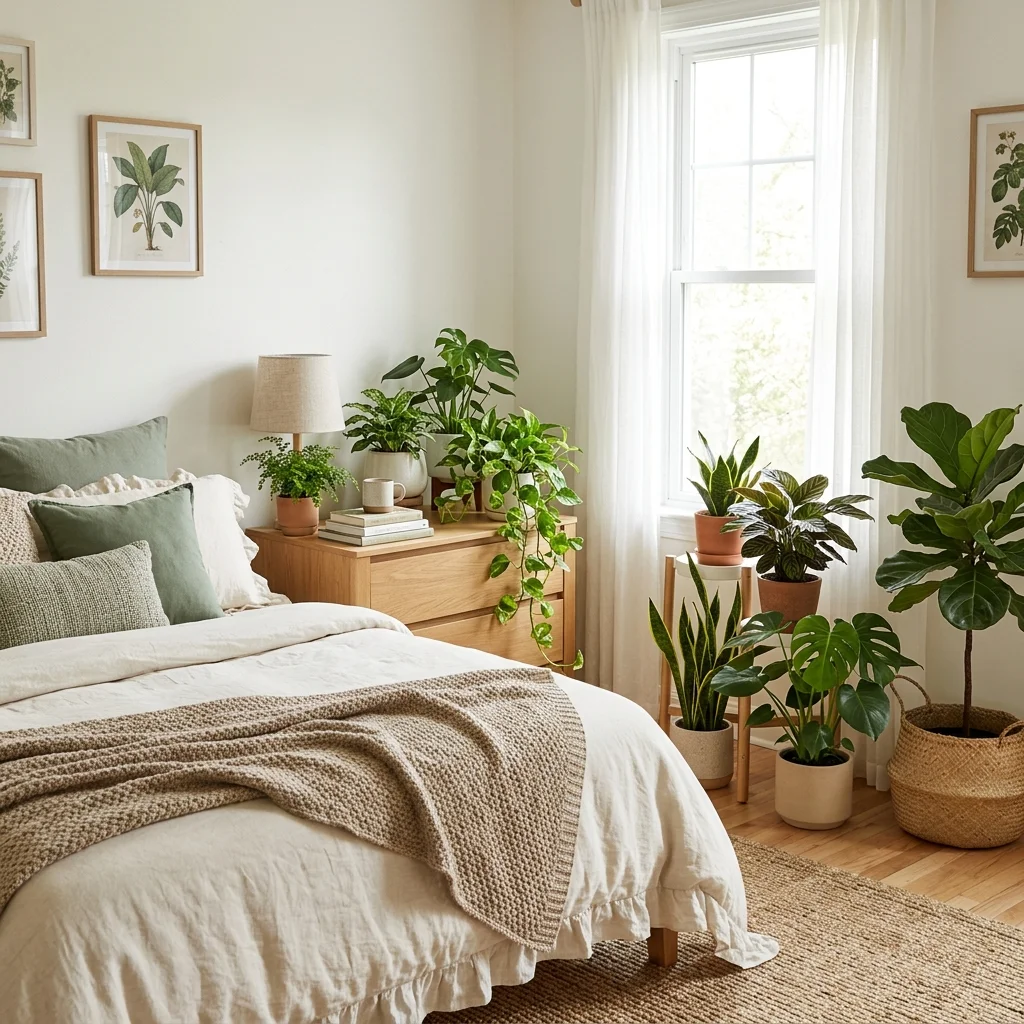
Greenery can add life and color to a bedroom without requiring a major decorating project. Place a suitable plant near a window, use a compact pot on a dresser or display a trailing plant on a secure shelf. Choose varieties based on the room’s actual light levels and your ability to maintain them.
Before bringing a plant into a home with pets, check whether it is toxic to them. Use pots with suitable drainage and protect wooden surfaces from moisture. If natural light is limited, consider realistic artificial greenery or a plant specifically suited to low light conditions rather than choosing one based only on appearance.
Textured Accent Wall

| Wall Treatment | Option A: Textured Paint | Option B: Decorative Panels |
|---|---|---|
| Appearance | Subtle, cloudy variation | Defined lines or raised shapes |
| Installation | Requires suitable preparation | Requires accurate measuring and fixing |
| Maintenance | Depends on the paint finish | Depends on material and finish |
| Best Feature | Soft visual depth | Strong architectural detail |
A textured wall adds depth without relying on bright colors or busy patterns. Limewash style finishes create gentle variation, while vertical wood slats bring a more structured appearance. Test the finish on a sample area because lighting can change how the texture looks throughout the day. For rented spaces, removable wallpaper with a textured appearance may offer a less permanent alternative.
Full Length Bedroom Mirror
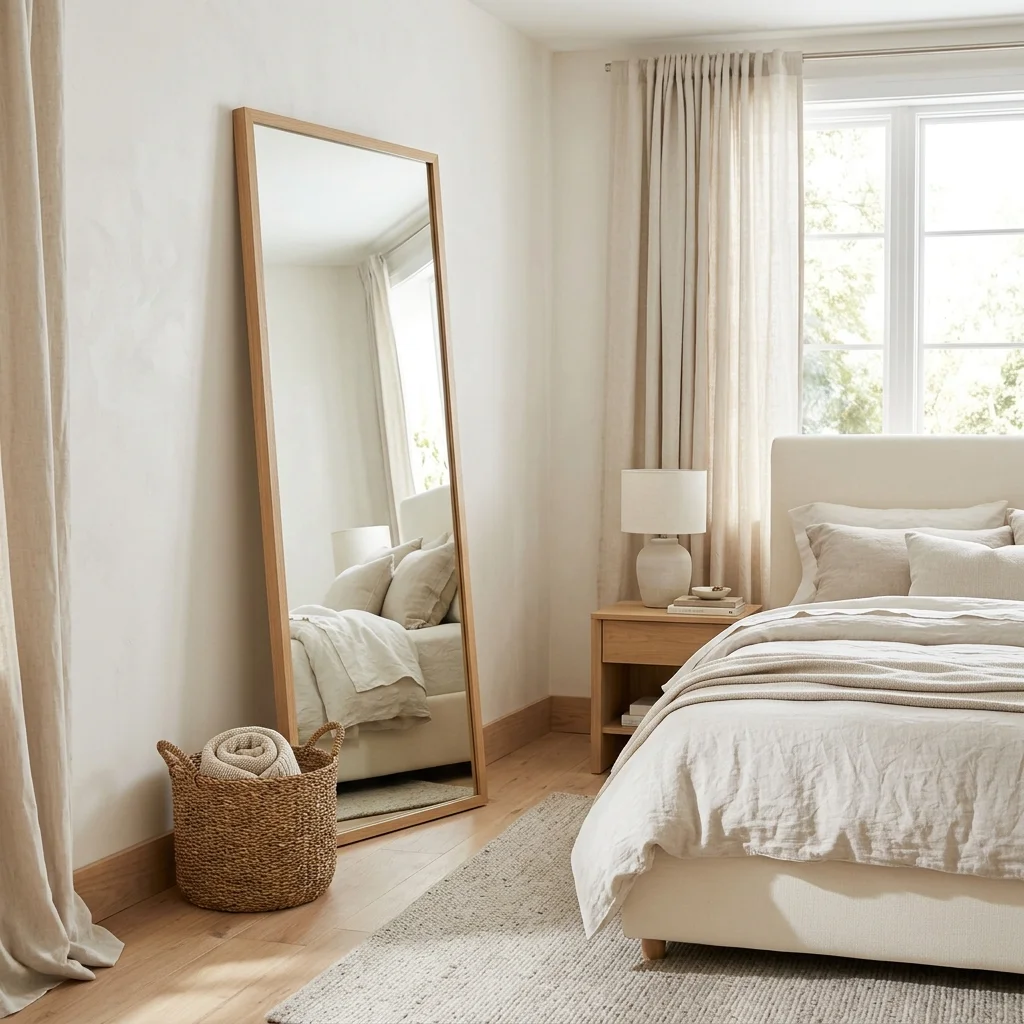
DO:
- Position the mirror where it reflects daylight or a visually pleasing part of the room.
- Select a frame that complements your existing furniture.
- Check the available wall and floor space before purchasing.
- Secure the mirror using appropriate anti tip hardware.
DON’T:
- Place a large mirror where it blocks a doorway or walking path.
- Leave a heavy mirror unsecured.
- Choose a frame that overwhelms a small bedroom.
- Assume every mirror will brighten a poorly lit corner equally.
A full length mirror adds everyday convenience and can make a small bedroom feel more open by reflecting light and surrounding space. Place it near a wardrobe or dressing area so it serves a practical purpose. For narrow rooms, a slim frame helps preserve a light appearance. Always follow the mounting instructions, especially if children or pets use the space.
Compact Vanity Corner

Cost: Low to moderate, depending on furniture
Time: One afternoon for setup and organization
Skill Level: Beginner
Best For: Small bedrooms with an unused wall or corner
A compact vanity can create a dedicated place for getting ready without requiring a separate dressing room. Choose a narrow desk or wall mounted surface, then add a mirror and a stool that tucks underneath. Keep daily products in one tray and store occasional items in drawers to prevent the surface from becoming cluttered. Make sure the seating area leaves enough room for comfortable movement.
Layered Bedroom Lighting
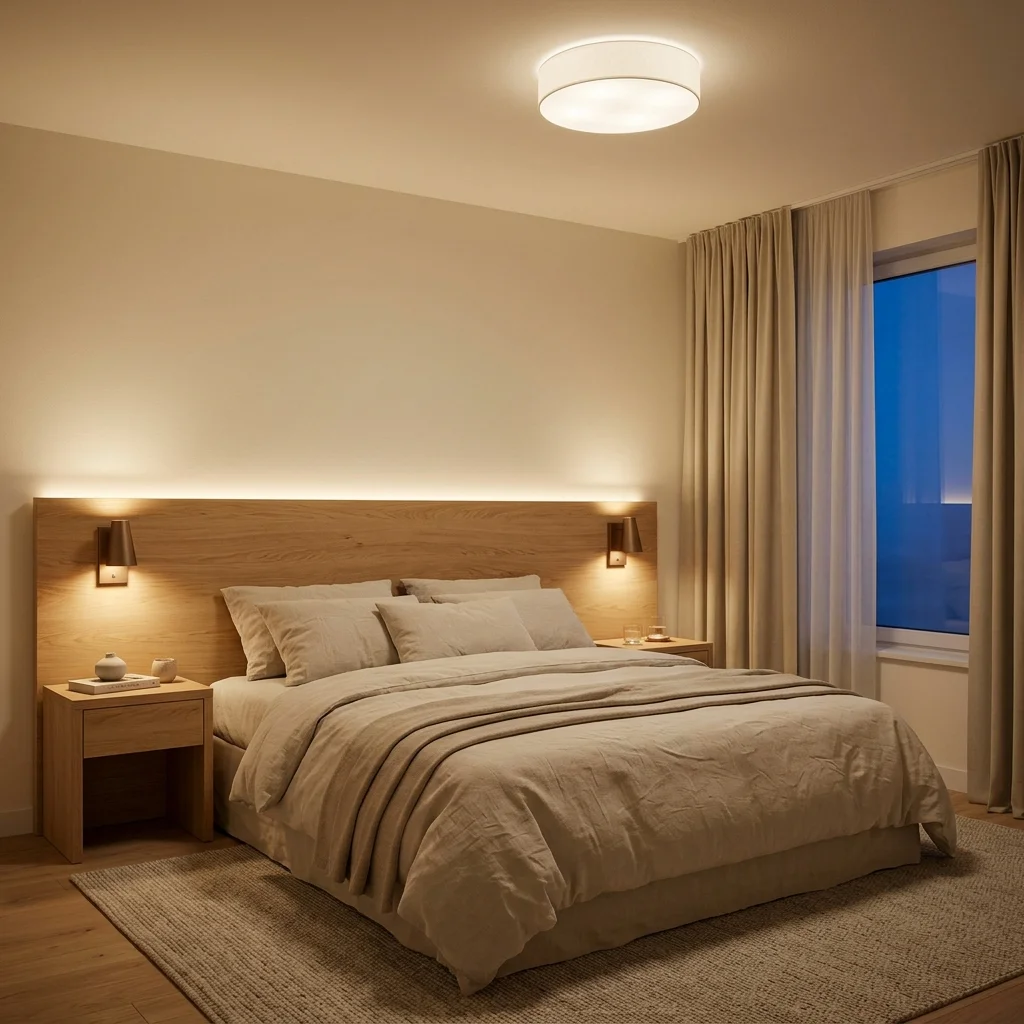
Bedrooms often feel unfinished when one bright ceiling light does all the work. A layered setup combines general illumination with focused reading light and softer accent lighting. This gives you more control over the atmosphere without changing the furniture.
Use a dimmable ceiling fixture for everyday tasks, adjustable bedside lights for reading and a low glare accent source for evenings. Keep switches easy to reach and choose compatible bulbs and dimmers. The aim is not to make the room darker, but to provide the right light for different activities throughout the day.
Two Tone Bedroom Walls
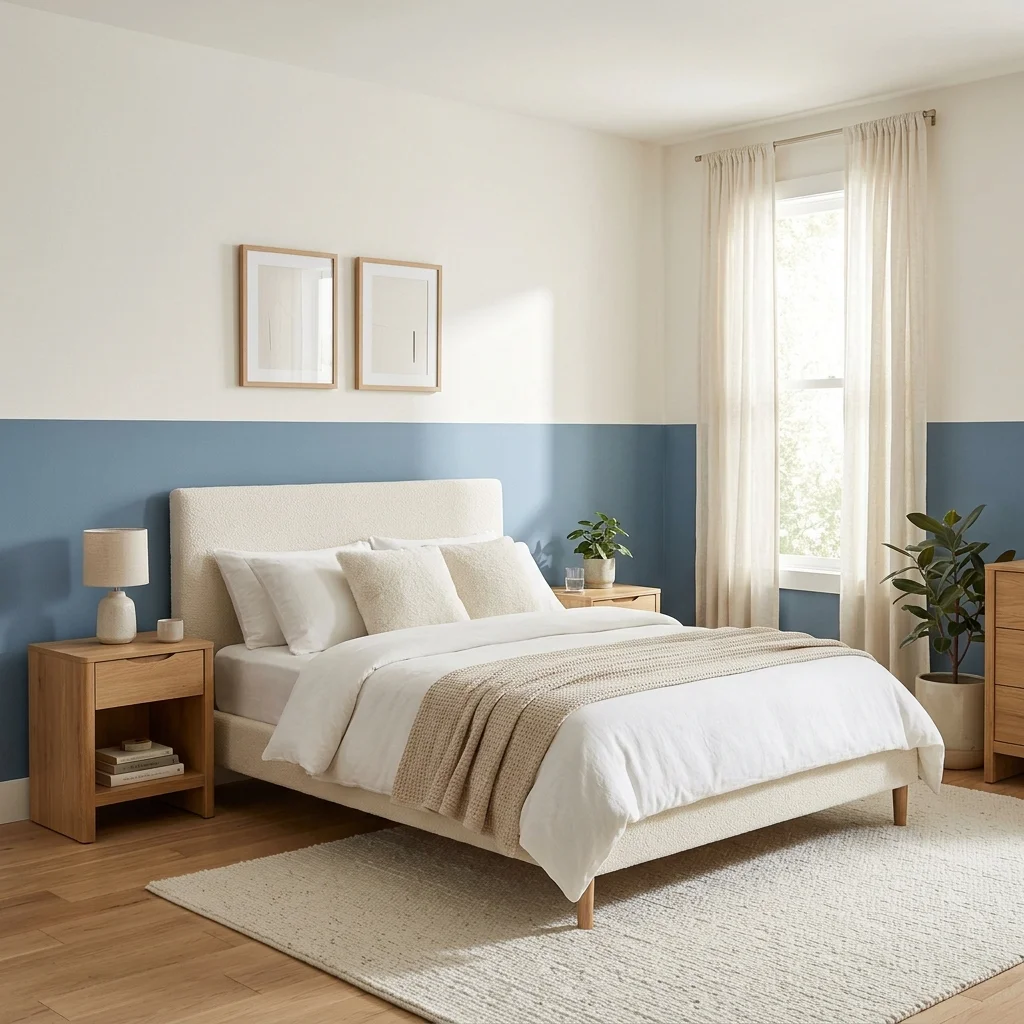
- Choose complementary colors. Pair a muted shade with a lighter neutral for a balanced effect.
- Plan the dividing line. Measure the wall and mark the height consistently across the room.
- Use painter’s tape carefully. Press it down firmly to help create a crisp edge.
- Coordinate the furniture. Keep large pieces simple so the wall treatment remains the focal point.
Two tone walls add architectural interest using paint rather than expensive materials. A darker lower section can visually anchor the furniture, while a lighter upper section helps preserve brightness. The dividing line does not have to sit exactly halfway up the wall; test a few heights with masking tape before painting. Allow each coat to dry as directed for a cleaner finish.
Floating Picture Ledges

Quick Tip:
Arrange your frames on the floor first, then choose a mix of sizes that looks balanced. Keep heavier objects within the ledge’s rated capacity and secure the ledges into suitable wall supports.
Picture ledges make it easy to update bedroom artwork without repeatedly drilling new holes. Lean a larger frame at the back, layer a smaller print in front and add one small decorative object if space allows. Keep the arrangement relatively shallow so it does not feel crowded above the bed. For a rental, confirm whether the mounting method is permitted before installation.
Coordinated Bedroom Textiles

BEFORE: The bedding, curtains and rug all compete for attention because their colors and patterns do not relate to one another.
AFTER: A shared color palette connects the textiles, while different textures keep the room from looking flat or overly matched.
Start with one textile you love, such as a patterned rug or a duvet cover, then pull two or three colors from it for the rest of the room. Repeat those shades in smaller amounts across cushions and curtains. You do not need identical patterns or matching sets. A consistent palette creates harmony while allowing each fabric to contribute its own texture.
Small Bedroom Workspace
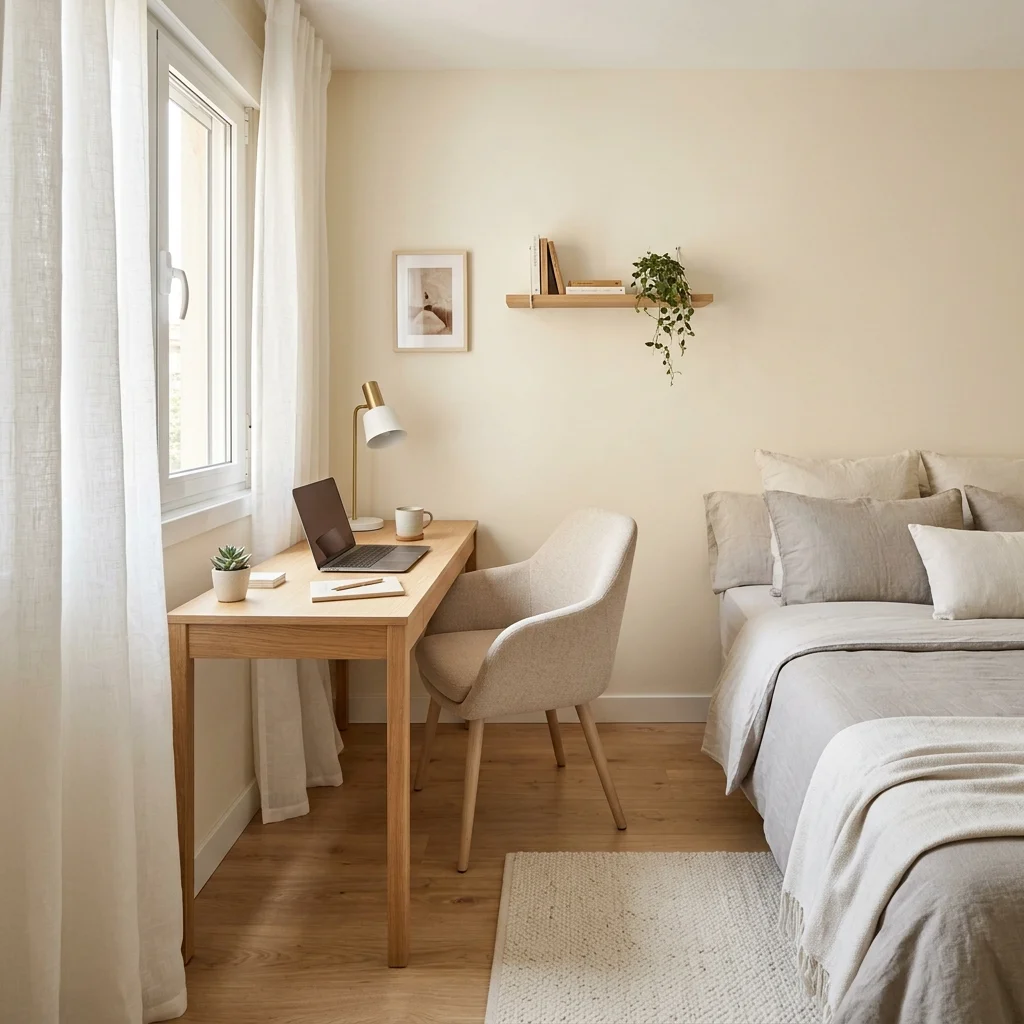
- Choose a compact desk. Measure the wall and leave enough room to pull the chair out comfortably.
- Use vertical storage. Add a small shelf or wall organizer for notebooks and everyday supplies.
- Manage cables. Use suitable clips or a cable tray to keep wires tidy and away from walking paths.
- Separate work from rest. Store the laptop and paperwork when the workday ends.
A small workspace can fit into a bedroom without making the room feel like an office. Choose a desk with enough depth for your actual equipment, then keep the surface limited to essential items. Position the screen to reduce glare from the window and use a chair that supports comfortable sitting. If possible, avoid facing the bed directly while working so the two areas feel more distinct.
Statement Ceiling Fixture
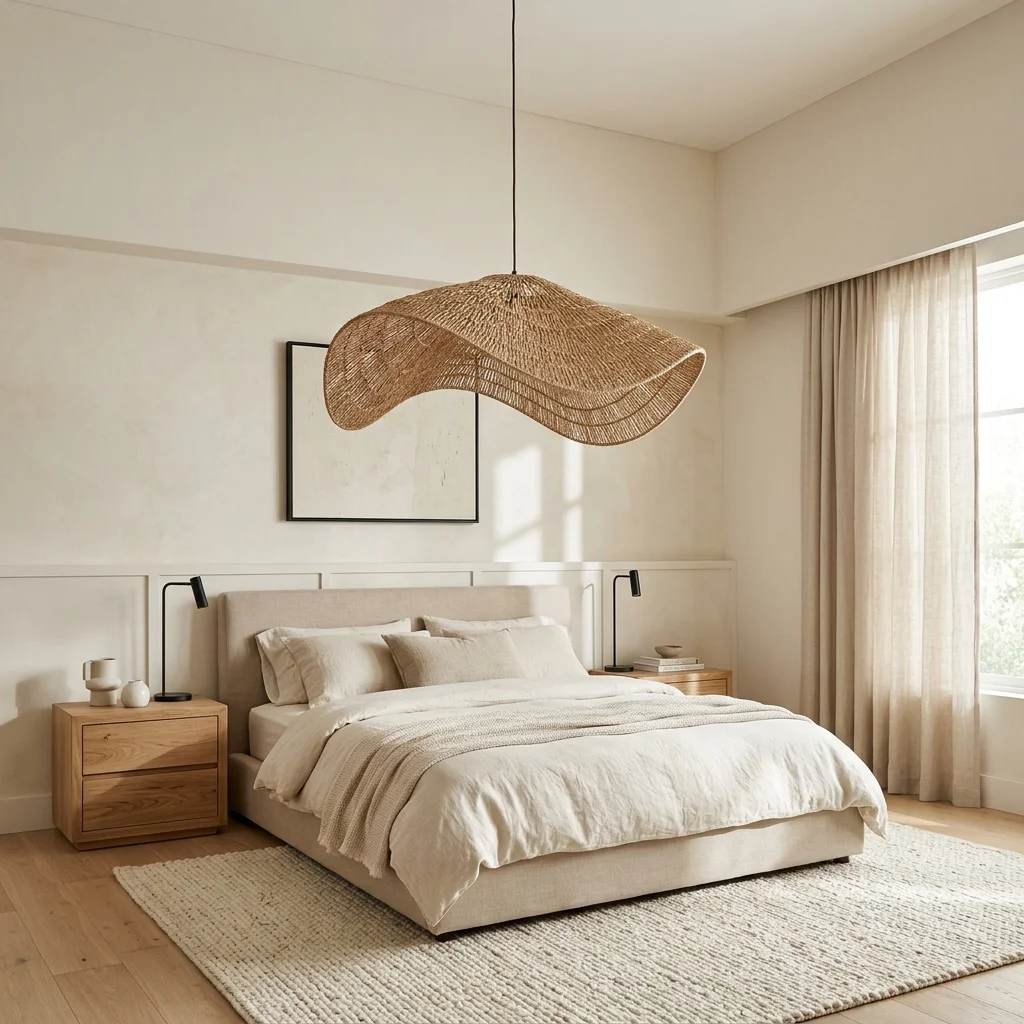
| Fixture Style | Option A: Simple Flush Mount | Option B: Statement Pendant |
|---|---|---|
| Ceiling height | Suits lower ceilings | Needs adequate clearance |
| Visual effect | Quiet and understated | Strong decorative focal point |
| Space | Compact overhead profile | More noticeable silhouette |
| Best Use | Practical everyday lighting | Rooms with suitable vertical space |
A distinctive ceiling light draws the eye upward and can make the bedroom feel more finished. Choose a fixture that suits the room’s dimensions rather than selecting the largest design available. Measure its height, check the ceiling clearance and confirm that the light output suits your needs. Electrical installation should follow local requirements and be handled by a qualified professional when necessary.
Seasonal Bedroom Refresh
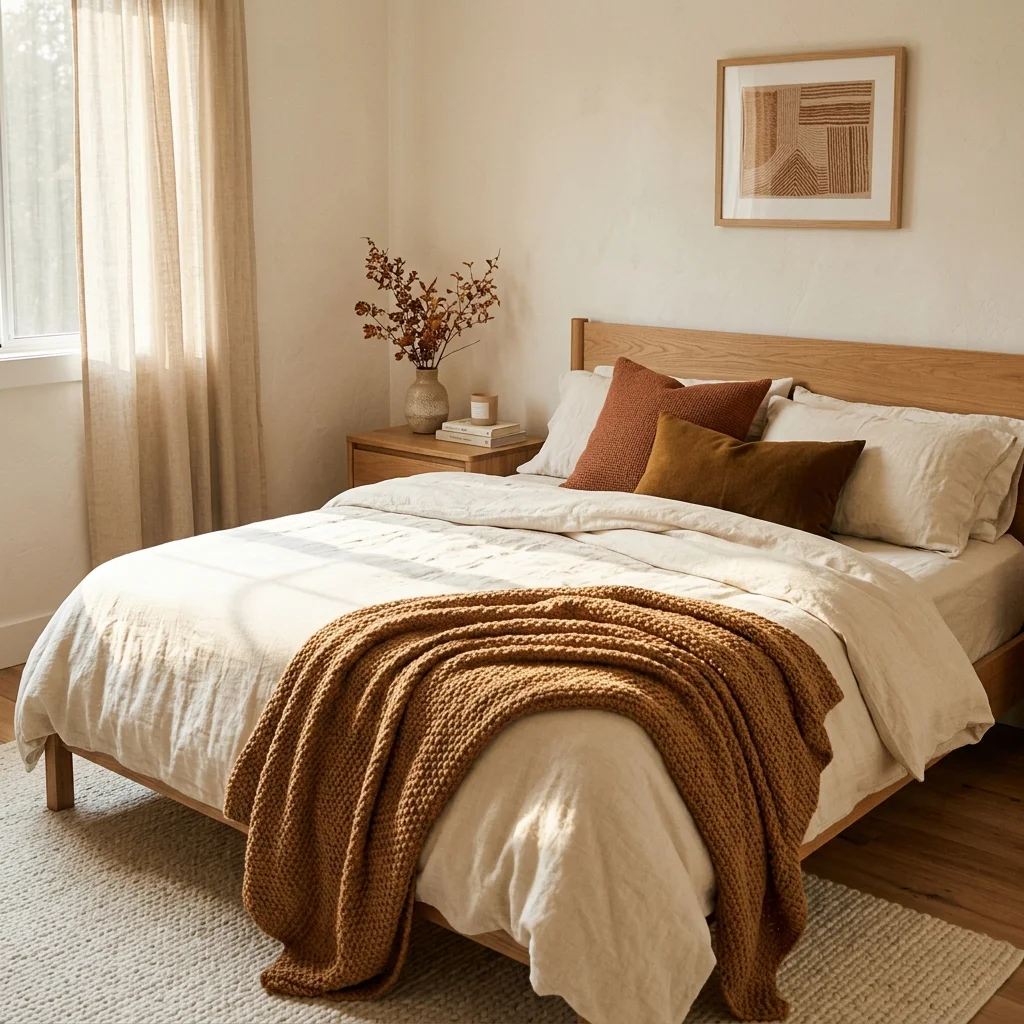
DO:
- Swap cushion covers and throws rather than replacing major furniture.
- Use lighter fabrics and brighter accents during warmer months.
- Introduce deeper colors and comfortable textures during colder seasons.
- Store unused textiles cleanly in labeled containers.
DON’T:
- Buy a completely new bedding set for every season.
- Mix too many seasonal colors at once.
- Cover the bed with decorative layers that are uncomfortable to sleep under.
- Forget to check fabric care instructions before storing textiles.
A seasonal refresh keeps the bedroom feeling fresh while protecting your budget. In warmer weather, cotton bedding and lighter colors can make the space feel airy. During cooler months, add a warmer throw and a few deeper accents. Keeping the main furniture and wall colors relatively neutral makes these small changes easier and helps your decor remain useful year round.
Hotel Inspired Bedroom
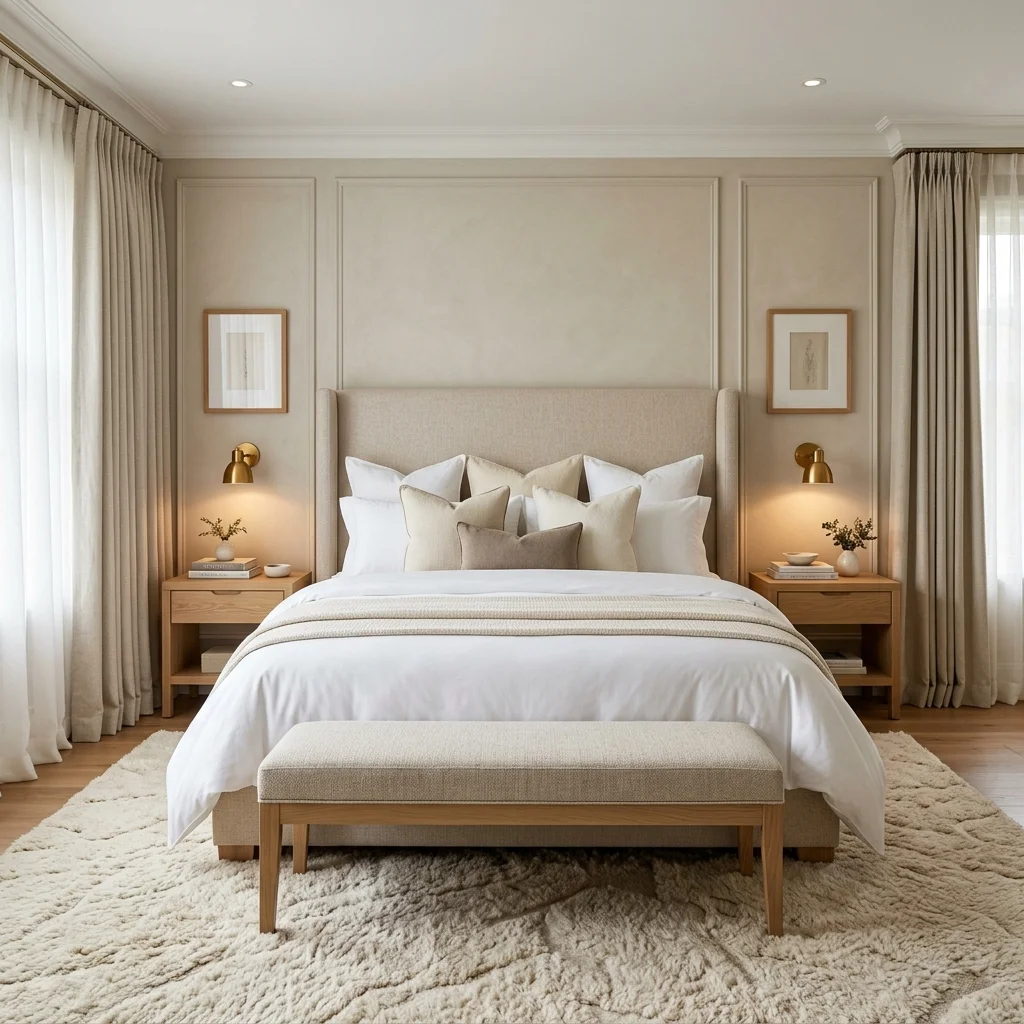
Cost: Moderate, depending on existing furniture
Time: One day for bedding, lighting and styling updates
Skill Level: Beginner
Best For: Bedrooms that need a polished, restful appearance
A hotel inspired bedroom relies on clean bedding, thoughtful symmetry, comfortable lighting and uncluttered surfaces rather than expensive furniture alone. Start by making the bed neatly, align bedside tables where practical and use matching lamps or coordinated accessories to establish balance. Add a soft rug and full length curtains if the budget allows. Keep everyday essentials accessible, because a room should feel welcoming and work well beyond its photographs.
CONCLUSION
Creating a bedroom you love doesn’t require a complete renovation or an expensive shopping list. Sometimes, fresh bedding, softer lighting, better storage or a carefully chosen accent color can make the biggest difference. These 28 Bedroom Makeover Ideas offer plenty of ways to bring more comfort, personality and style into your everyday surroundings.
Start with one change that solves a real problem or inspires you most. Build on it gradually as your budget allows and let your personal taste guide the process. Save this article on Pinterest for future inspiration, try your favorite ideas and share it with someone planning a bedroom refresh. Your dream bedroom can begin with one simple change.