
29 Garden Privacy Ideas for a Secret Hideaway Feel
A garden can be beautiful and still feel too exposed for relaxing. Garden Privacy Ideas can help turn an open yard into a comfortable retreat where you can enjoy coffee, read, dine or simply unwind without feeling watched.
From living green walls and tall hedges to trellises, curtains, planters and secluded seating areas, small changes can make a noticeable difference. You do not always need an expensive fence or major landscaping project. In my experience, focusing privacy around the areas you use most often can create a much stronger sense of comfort while keeping the rest of the garden open.
These ideas combine practical screening with attractive planting and thoughtful placement, giving you options for small patios, spacious backyards and everything between.
Living Green Wall
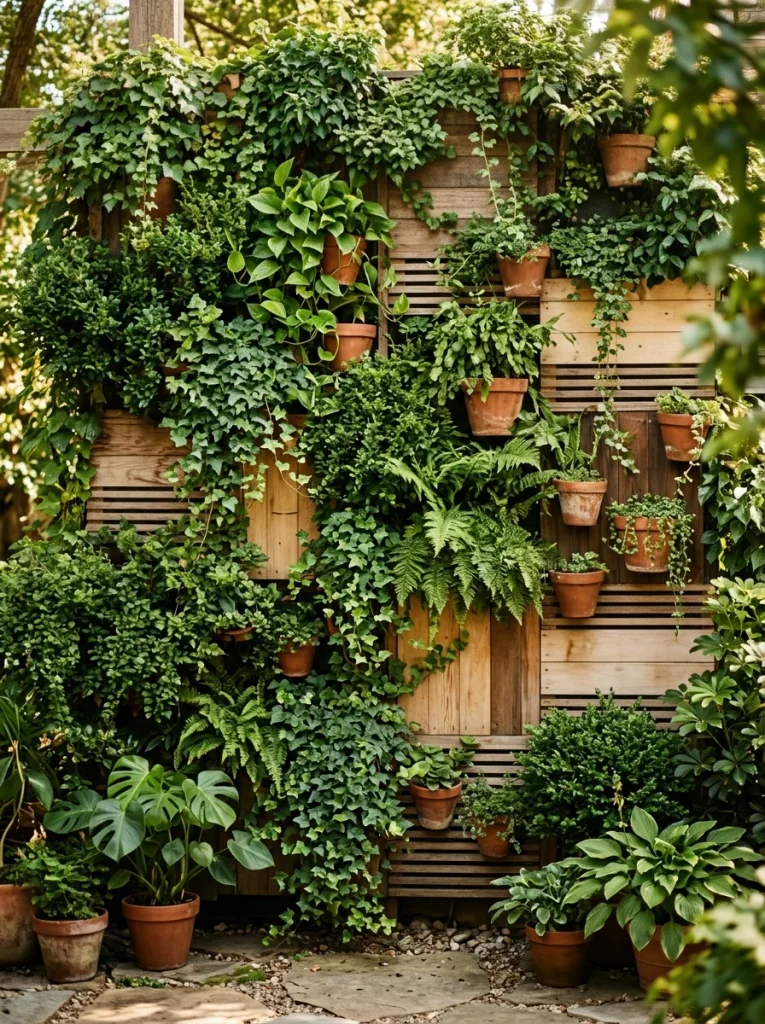
A living wall can turn an exposed garden boundary into a lush private retreat. Choose dense plants such as ferns, ivy, bamboo or climbing jasmine, depending on your climate and sunlight. Arrange taller plants toward the back and fuller foliage across the front to create layered coverage without making the space feel cramped.
Leave enough room between the planting area and seating zone for comfortable movement and maintenance. In my experience, mixing different leaf shapes creates better visual coverage than relying on one plant alone. Add a simple timber frame or trellis behind the greenery for extra height and structure as everything grows.
Bamboo Privacy Screen

- Choose tall bamboo panels for quick visual separation along an open boundary.
- Secure panels firmly to posts so wind cannot shift or loosen them.
- Leave a small gap between bamboo and soil to reduce moisture damage.
- Add climbing plants nearby for a softer, layered appearance.
- Use natural wood or dark metal supports to complement the screen.
Bamboo works especially well when you need privacy without building a solid wall. Its vertical lines draw the eye upward while allowing the garden to retain an open feel. For a polished result, repeat the bamboo material in nearby planters, furniture or edging so the screen feels intentionally connected to the rest of the space.
Pergola Curtain Panels
Quick Tip:
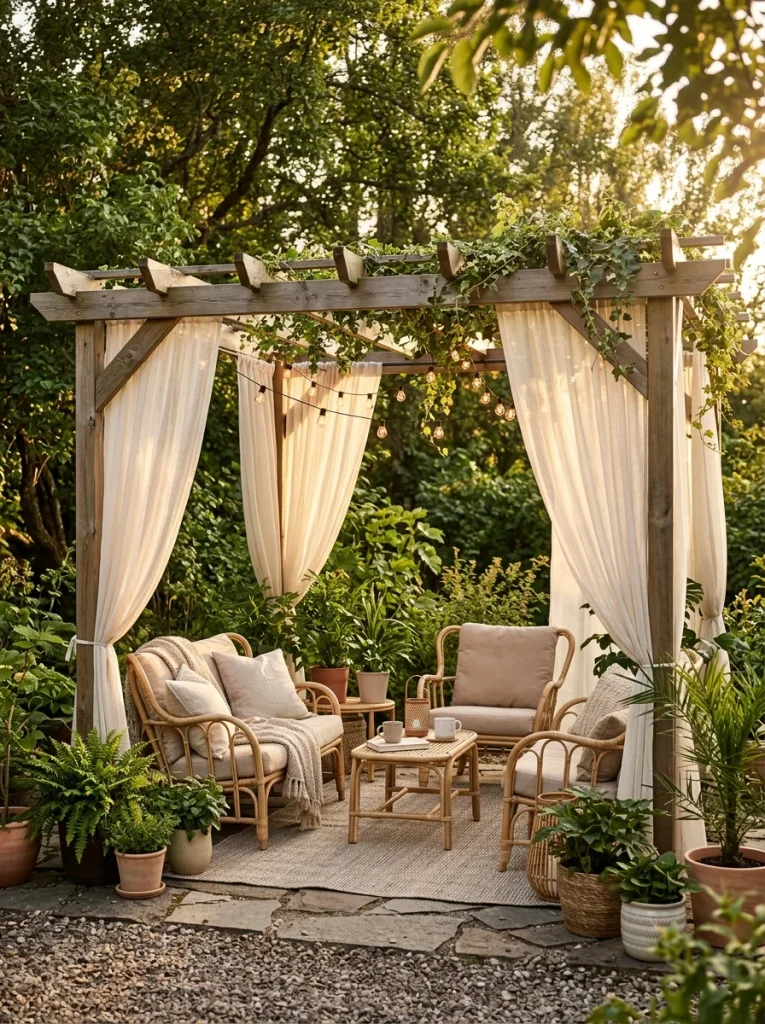
Choose outdoor rated curtain fabric that can handle sunlight and occasional moisture. Mount the panels on sturdy rods or outdoor curtain tracks so they can slide open when privacy is not needed.
Curtains give you flexible coverage while keeping a garden seating area airy and comfortable. Close them around a pergola when you want a secluded corner, then open them fully for a wider view. For extra privacy, use two layers: lightweight sheers for daytime filtering and thicker panels for stronger coverage in the evening.
Tall Hedge Border
BEFORE:
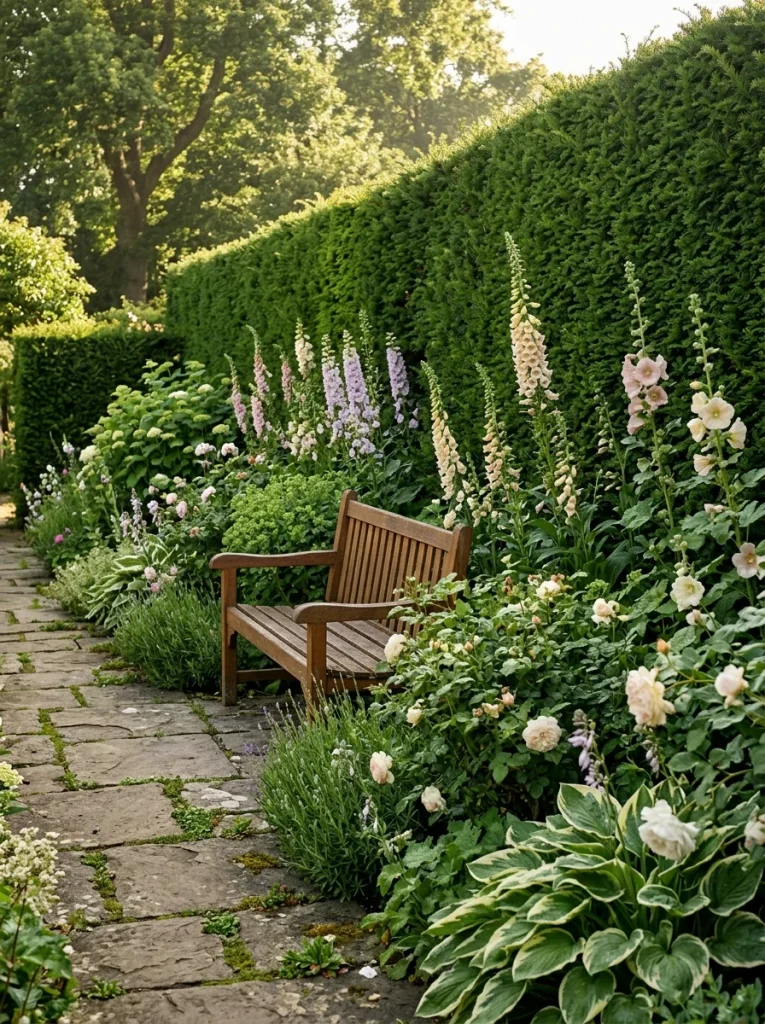
An open garden boundary can leave seating areas exposed to neighboring windows, sidewalks, or nearby yards. The space may feel attractive but lack the quiet feeling needed for relaxing outdoors.
AFTER:
A tall hedge creates a soft green screen that blocks direct views while keeping the garden natural. Dense foliage also helps define the edge without the hard appearance of a solid fence.
Choose evergreen varieties suited to your climate and available space. Keep the hedge slightly wider at the bottom so sunlight reaches lower branches, helping maintain dense coverage. Regular trimming prevents it from becoming uneven or difficult to manage. This approach works especially well for homeowners who want living greenery rather than manufactured screening materials.
Lattice Climbing Vines
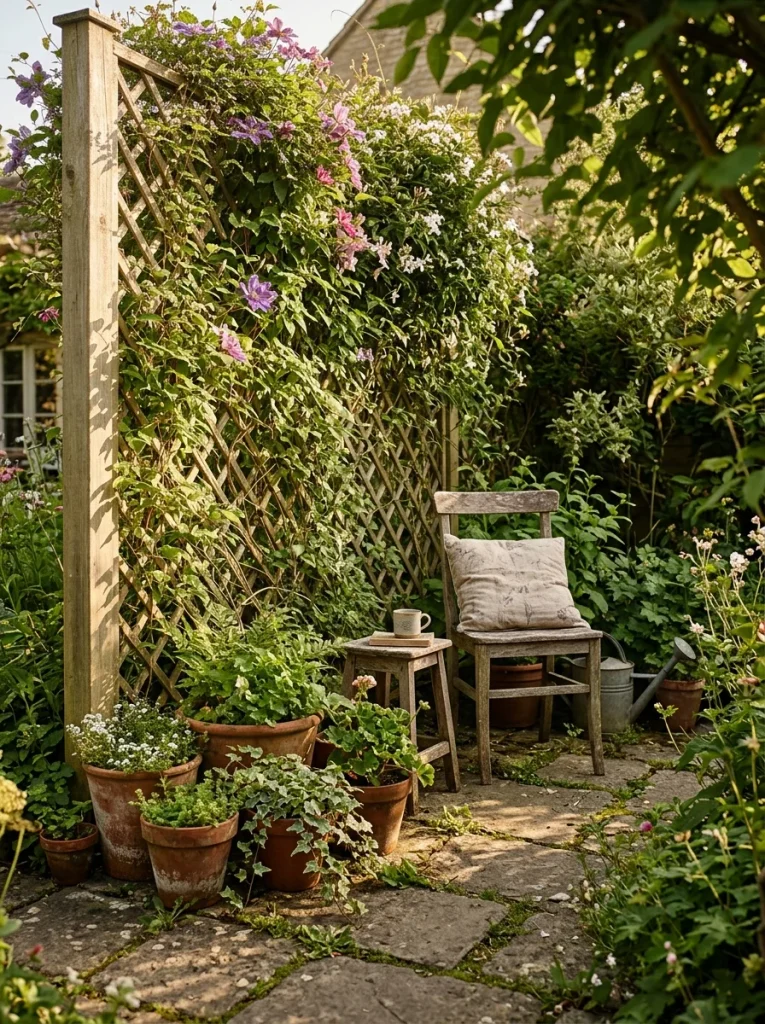
- Install a sturdy wooden or metal lattice where privacy is most needed.
- Select climbing plants that suit your sunlight and local growing conditions.
- Guide young stems through the openings as they grow.
- Secure loose stems gently with soft garden ties.
- Trim excess growth to keep the screen neat and accessible.
A bare lattice can provide some structure immediately, but the real privacy develops as the vines fill the openings. Flowering climbers can also add seasonal color and fragrance. Give the plants adequate soil, water and support from the beginning, because healthy growth produces a much fuller screen than overcrowded planting.
Fence Slat Screen

| Feature | Option A: Solid Fence | Option B: Slat Screen |
|---|---|---|
| Light | Blocks more sunlight | Allows filtered light |
| Airflow | Limited | Better ventilation |
| Appearance | Heavy and enclosed | Open and modern |
| Privacy | Very high | High with visual gaps |
A slatted screen is useful when you want privacy without making the garden feel boxed in. Narrow gaps interrupt direct sightlines while still allowing daylight and air to pass through. Adjust the spacing according to the viewing angle you need to block, especially if nearby windows overlook the garden from above.
Layered Planting
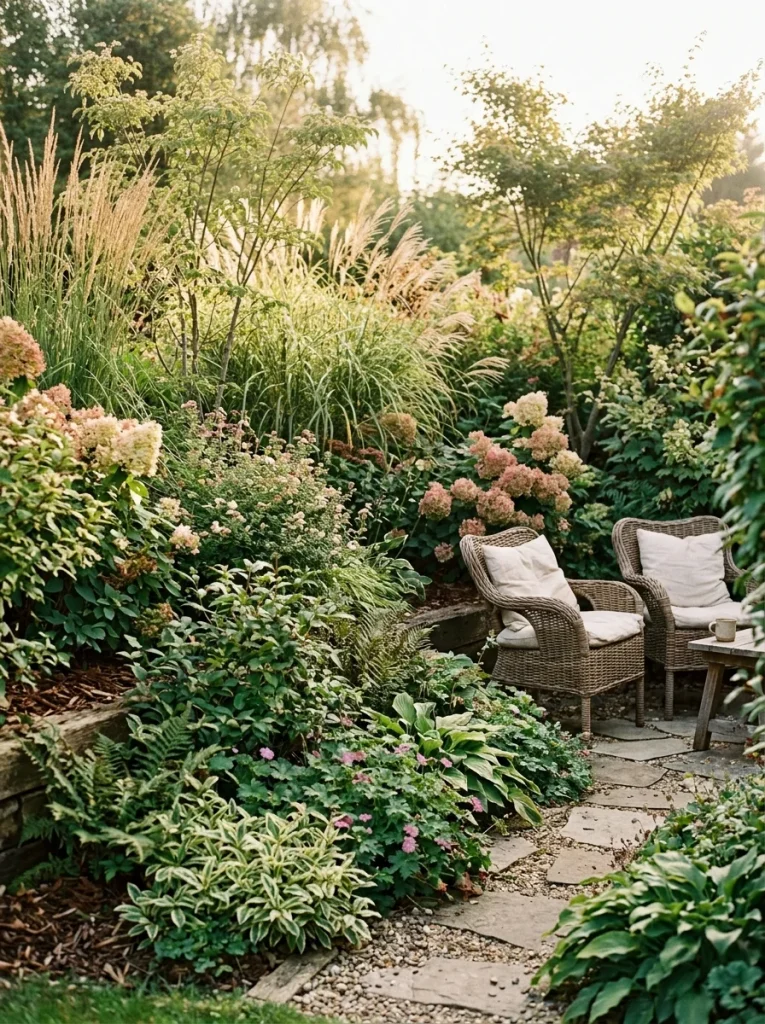
DO:
- Place the tallest plants toward the back of the border.
- Use medium shrubs to fill the middle layer.
- Add low plants around the seating edge.
- Mix foliage textures for thicker visual coverage.
DON’T:
- Plant every layer at exactly the same height.
- Crowd plants so tightly that airflow becomes poor.
- Choose species without checking their mature size.
- Ignore the amount of sunlight available.
Layered planting gives privacy depth rather than relying on one barrier. Tall grasses, shrubs and lower foliage work together to interrupt views from several angles. I’ve noticed that varied heights often make a small garden feel more secluded without requiring a tall wall. Leave enough growing room so each layer can mature naturally.
Outdoor Privacy Trees
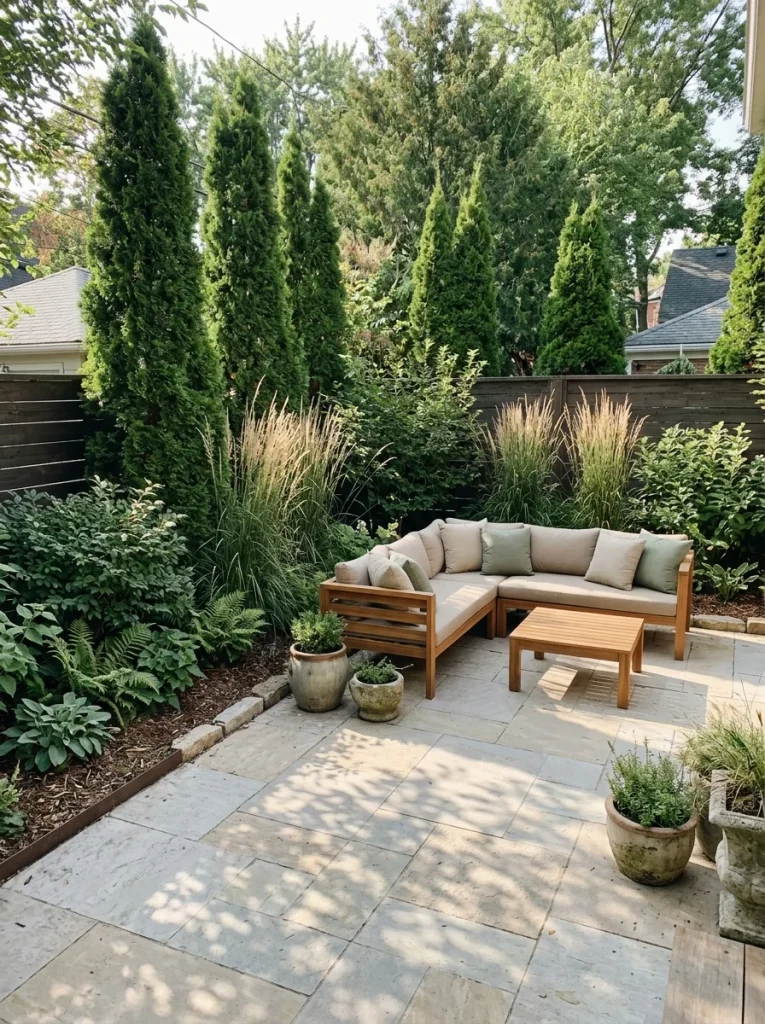
Cost: Moderate to high
Time: Several seasons for full growth
Skill Level: Beginner to intermediate
Best For: Larger gardens and open boundaries
Trees provide height that lower planting cannot achieve, making them particularly useful where neighboring properties overlook the garden. Narrow varieties can provide screening without consuming too much ground space. Before planting, check mature height, root behavior, spacing requirements and local growing conditions so the screen remains manageable over time.
Outdoor Room Corner

A private corner can completely change how an exposed garden is used. Instead of screening the entire yard, focus protection around the area where you actually sit, dine or relax.
Position two privacy panels at a right angle and soften their edges with plants or tall containers. Add comfortable seating inside the protected area and keep the remaining garden more open. This targeted approach can save money while creating a stronger sense of enclosure exactly where it matters most.
Raised Planter Screen

- Build or position a long raised planter along the exposed side of the garden.
- Choose tall plants that provide dense foliage above seating height.
- Combine upright grasses with fuller shrubs for better coverage.
- Use quality soil and drainage to support healthy root growth.
A raised planter provides privacy and planting space at the same time. The extra height brings foliage closer to eye level, so you can create useful screening without waiting for a hedge to become tall. For small yards, choose a narrow planter design that protects the seating area without reducing valuable walking space.
Reed Fence Panels

Quick Tip:
Use reed panels as an additional privacy layer rather than depending on them as the only structural boundary. Secure them tightly with weather-resistant ties or suitable fasteners.
Reed screening adds texture while covering gaps in an existing fence or railing. It works particularly well for renters or homeowners who want a relatively simple visual barrier without replacing the whole boundary. Check the panels periodically for loose sections, moisture damage or fading, especially after strong weather.
Outdoor Trellis Wall

BEFORE:
A seating area positioned directly beside an open boundary can feel exposed, particularly when neighboring homes or pathways are visible.
AFTER:
A freestanding trellis creates a visual divider without requiring a full wall. Climbing plants gradually soften the structure and provide increasing coverage.
Anchor the trellis securely and choose a design with openings that suit the level of privacy you need. A wider trellis can work as a backdrop behind a bench, while a narrow panel can screen one uncomfortable sightline. Keep climbing plants supported and trimmed so the structure remains attractive rather than becoming tangled.
Privacy Plant Pots

- Choose tall containers that are heavy enough to remain stable outdoors.
- Position them along the exact sightline that needs screening.
- Plant upright grasses, shrubs, or compact evergreens.
- Group containers at slightly different heights for better coverage.
- Add drainage holes and suitable potting mix before planting.
Large containers are especially useful when permanent landscaping is not practical. They can create movable screening around patios, balconies, and rented homes. Arrange several pots rather than relying on one oversized container, because grouped planting gives you more flexibility and makes it easier to adjust the privacy zone later.
Evergreen Screen Row
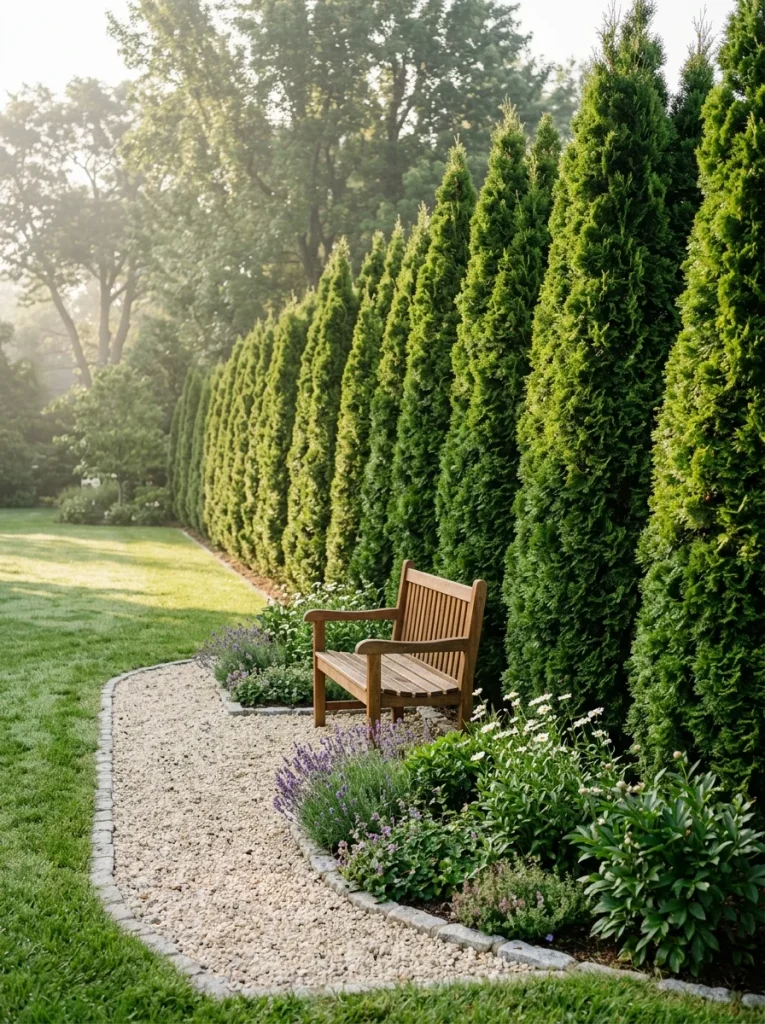
| Option A | Option B |
|---|---|
| Mixed shrubs | Uniform evergreens |
| More varied appearance | More consistent appearance |
| Different growth rates | Similar growth pattern |
| Seasonal visual changes | Reliable year-round coverage |
Evergreen screening is valuable for gardens where privacy matters throughout the year. A consistent row provides a dependable visual barrier even when deciduous plants lose their leaves. Leave appropriate spacing between plants rather than placing them tightly together on planting day. Mature size matters more than the initial appearance of the row.
Outdoor Privacy Wall
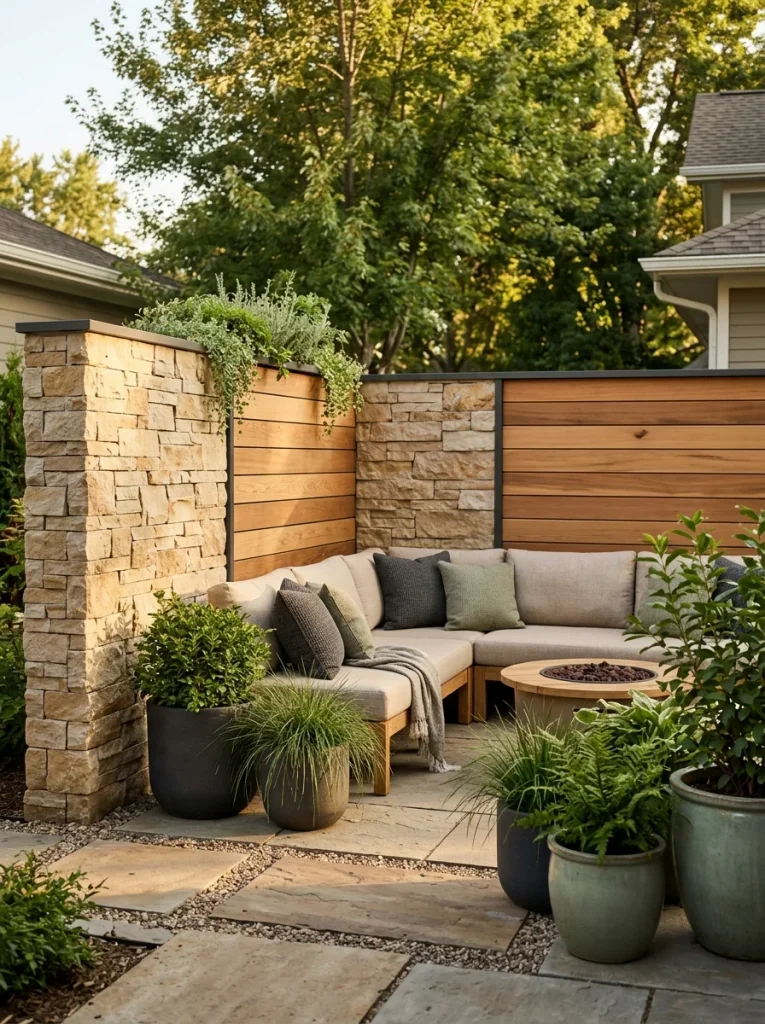
DO:
- Match the wall materials with existing garden features.
- Keep the structure proportional to the garden size.
- Add planting along the base to soften hard edges.
- Check local rules before constructing a tall permanent wall.
DON’T:
- Build directly against drainage routes.
- Ignore how the wall affects sunlight.
- Use unstable materials for a tall structure.
- Create a completely enclosed area without considering airflow.
A privacy wall provides one of the strongest visual barriers for a garden seating area. Stone, rendered blocks, timber or composite panels can all work depending on the desired style. Break up large surfaces with plants, lighting or decorative details so the barrier feels integrated into the garden rather than visually overwhelming.
Outdoor Screen Panels
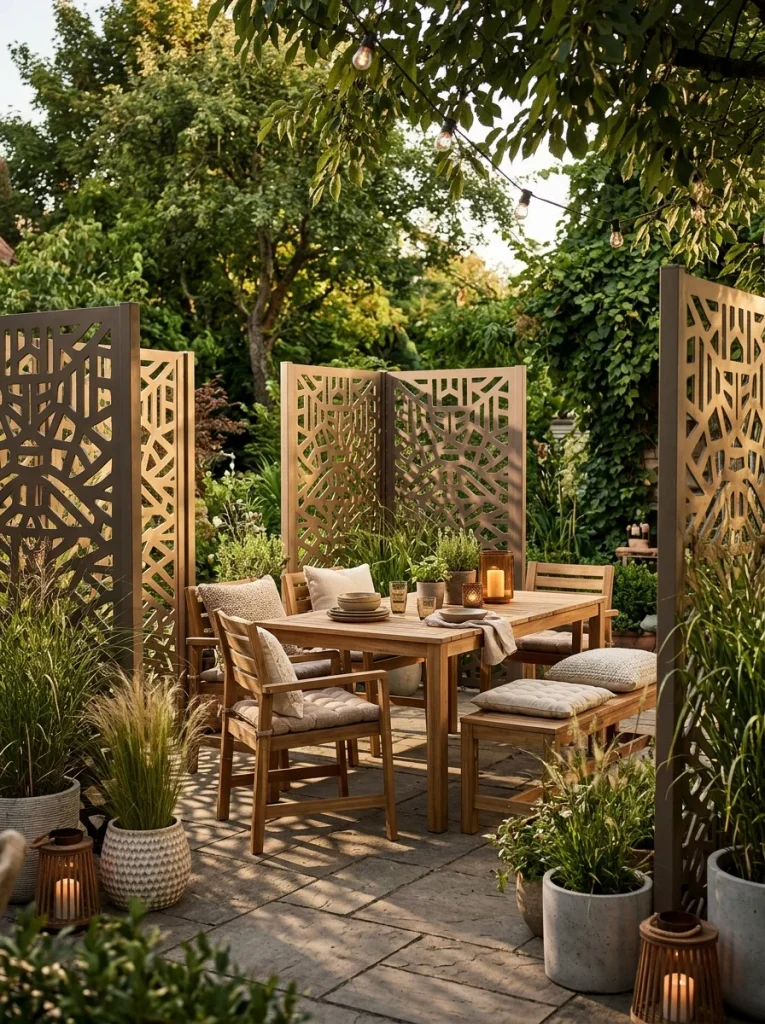
Cost: Moderate
Time: One afternoon for installation
Skill Level: Beginner
Best For: Patios and seating zones
Result: Focused visual privacy
Decorative panels are a practical choice when the privacy problem comes from one specific direction. Position the panel between the seating area and the unwanted view, rather than surrounding the entire garden. Perforated designs allow light through while breaking up direct sightlines, making the area feel private without becoming dark or closed.
Covered Garden Nook
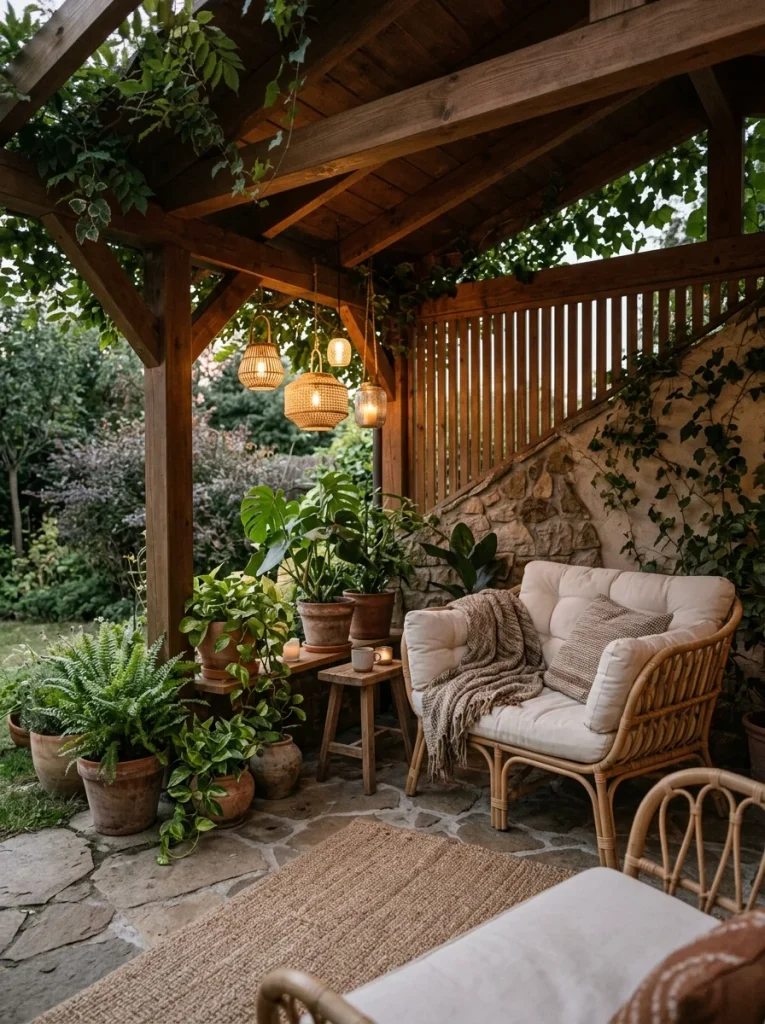
A covered nook combines overhead shelter with side screening, creating a secluded outdoor retreat in one compact area. It works especially well beside a house, patio or unused garden corner.
Keep the structure open on at least one side for airflow and daylight. Add curtains, climbing plants or a decorative screen where additional coverage is needed. Comfortable seating, a small side table and warm lighting can turn the protected corner into a practical reading or morning coffee spot.
Climbing Rose Screen

Quick Tip:
Train climbing roses horizontally along their support where possible rather than allowing every stem to grow straight upward. This encourages more flowering growth across the screen.
A rose-covered structure can provide privacy while adding seasonal color and fragrance. Choose a strong trellis, arch or pergola because mature climbing plants can become surprisingly heavy. Regular pruning and tying help maintain coverage across the areas where you need privacy most, while keeping paths and seating clear.
Vertical Garden Screen

- Select a wall or frame that receives suitable light for your plants.
- Install vertical planters securely and provide reliable drainage.
- Place fuller plants near areas requiring the most visual coverage.
- Use different foliage sizes to prevent the screen from looking flat.
- Maintain irrigation and trim overgrown plants regularly.
Vertical planting makes use of wall height instead of valuable floor space. It can be especially useful in narrow gardens where conventional hedges would take up too much room. Choose plants with similar water and light requirements so maintenance stays manageable. A healthy, dense planting wall will provide much stronger screening than sparse decorative pots.
Privacy Arbor Entrance

BEFORE:
A garden may contain a private seating area but still feel visually connected to the rest of the yard through an open entrance.
AFTER:
An arbor creates a clear transition into the secluded zone. Vines, curtains, or side panels can strengthen the sense of separation without closing the garden completely.
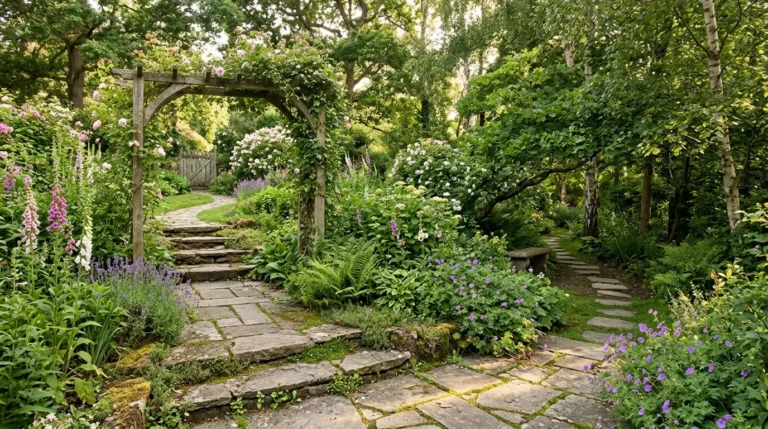
Place the arbor where the main path naturally enters the private area. Keep the opening wide enough for comfortable movement and choose a structure strong enough to support mature climbing plants. The result feels more intentional than simply placing furniture behind a screen, while still maintaining an inviting garden entrance.
Tall Ornamental Grasses
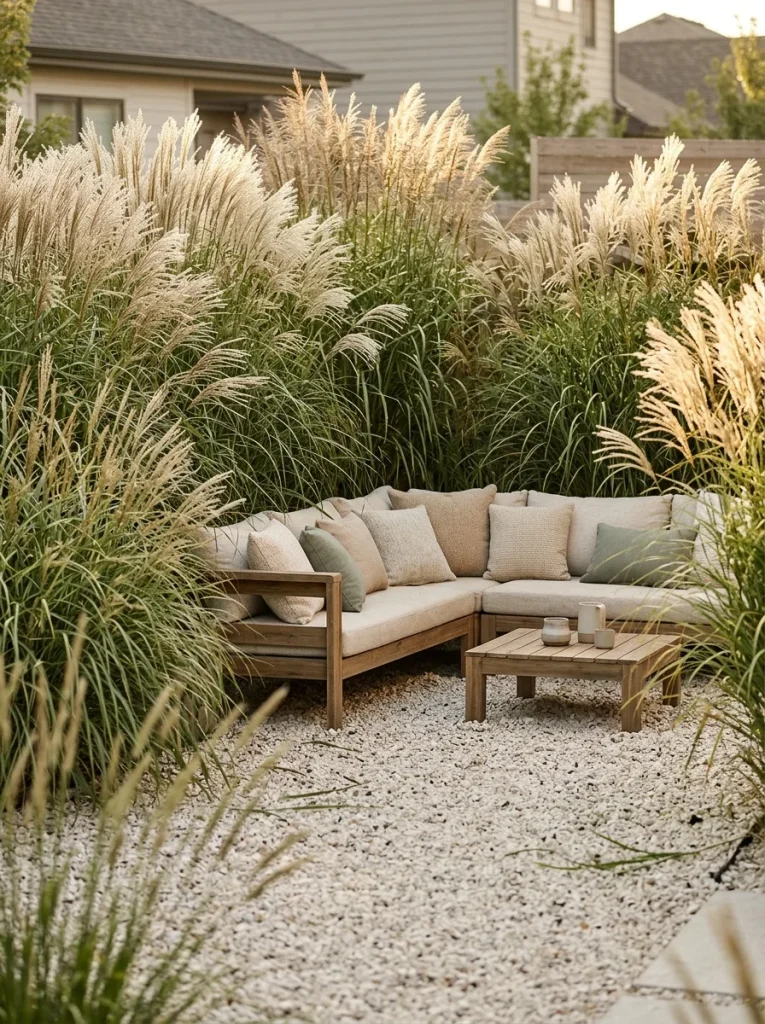
Cost: Low to moderate
Time: One growing season for noticeable coverage
Skill Level: Beginner
Best For: Soft garden boundaries
Result: Movement and filtered privacy
Tall grasses provide a softer alternative to rigid fencing. Their narrow leaves and feathery seed heads create movement while breaking up direct views into the garden. Plant them in groups for stronger coverage, but check their mature width before spacing them. Cut back varieties that require annual trimming at the appropriate time for healthy regrowth.
Outdoor Curtain Divider

DO:
- Choose weather esistant outdoor fabric.
- Install sturdy rods designed for exterior use.
- Use tiebacks when the curtains are open.
- Wash or clean the fabric according to its care instructions.
DON’T:
- Use delicate indoor curtains outdoors.
- Leave loose fabric near open flames.
- Attach heavy panels to weak supports.
- Let fabric remain wet for long periods.
Curtains are useful when privacy needs change throughout the day. Keep them open during bright daylight and close them when the garden becomes more exposed in the evening. Neutral fabric keeps the space bright, while heavier outdoor panels provide stronger coverage. A simple divider can also make a dining area feel more defined.
Staggered Fence Panels

Cost: Moderate
Time: One to two days
Skill Level: Intermediate
Best For: Uneven boundaries and exposed patios
Result: Layered visual screening
Staggering panels can make a privacy boundary more visually interesting while directing attention away from neighboring views. Vary the heights carefully rather than creating an uneven line that looks accidental. Add plants in front of shorter sections to create a gradual transition. This method works particularly well where one part of the garden needs more screening than another.
Garden Screen With Lights

- Install the privacy screen securely before adding lighting.
- Choose outdoor-rated string lights suitable for your climate.
- Attach lights along the upper edge or through decorative openings.
- Keep electrical connections protected from moisture.
- Add low plants around the base to soften the structure.
Lighting makes a privacy screen useful after sunset rather than allowing it to become a dark background. Warm bulbs can highlight the screen while providing gentle illumination for seating. Avoid placing lights where they shine directly into neighboring properties. A subtle glow around the perimeter usually feels more comfortable than intense overhead lighting.
Dense Shrub Border
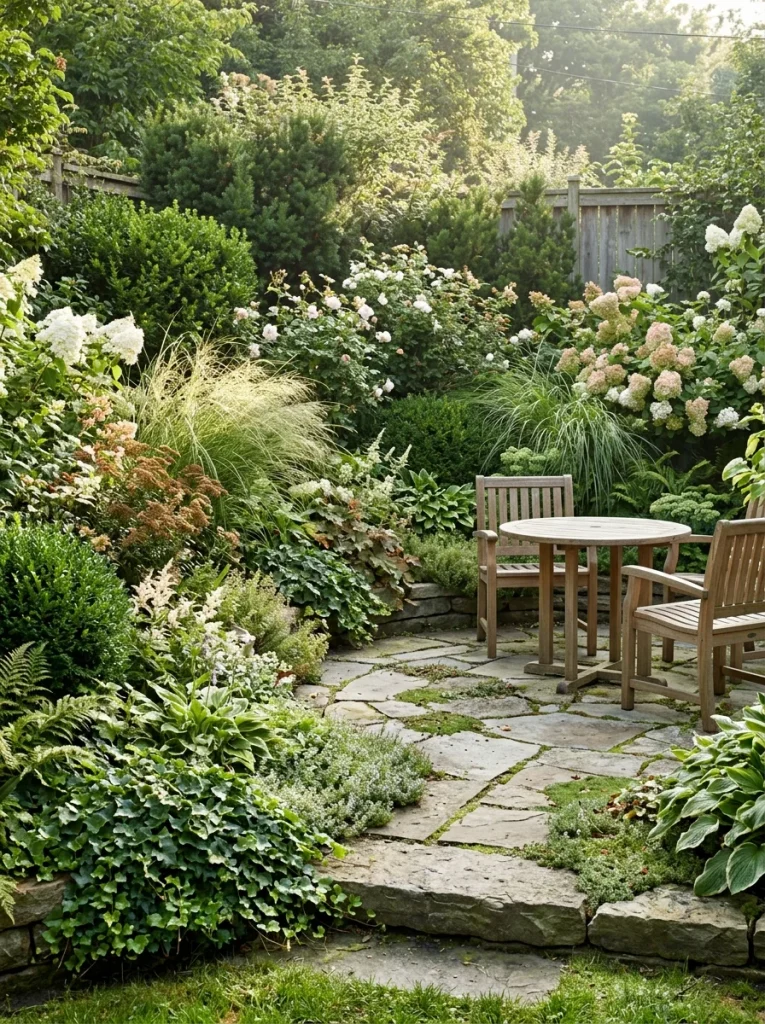
BEFORE:
A thin planting border may provide color but leave large gaps at eye level. Nearby paths, windows, or neighboring yards can remain clearly visible.
AFTER:
A dense shrub border fills those gaps with overlapping foliage. The result creates a softer visual barrier that still feels like a natural garden.
Choose shrubs with different mature heights and flowering periods for longer seasonal interest. Planting too closely may seem helpful at first, but overcrowding can cause weak growth and maintenance problems later. Use the mature dimensions of each plant as your spacing guide, then fill temporary gaps with smaller companion plants.
Small Tree Canopy
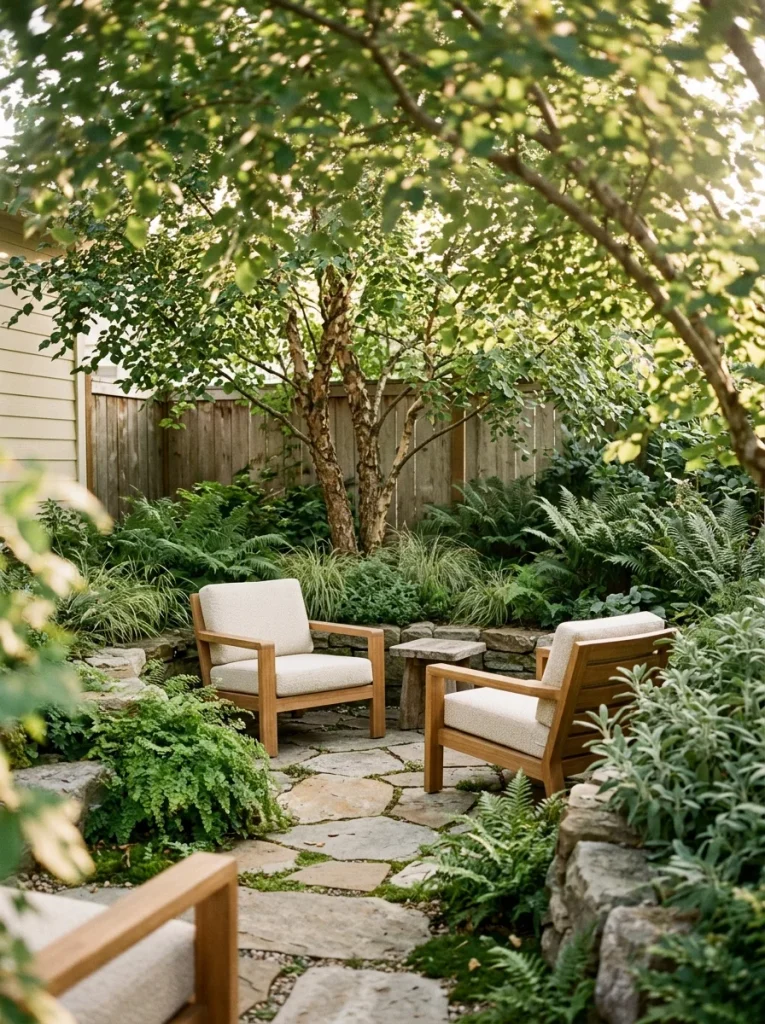
Quick Tip:
Select a tree whose mature canopy and root system suit the available space. A smaller ornamental tree can provide overhead privacy without overwhelming a compact garden.
Trees can protect a garden from views that come from upper windows or raised neighboring properties. The canopy also creates shade, helping a seating area feel cooler during warm weather. Position the tree carefully so roots, branches and mature growth do not interfere with structures, paths, utility lines or nearby planting.
Privacy Fence With Planters

- Attach or position planters along the base of an existing privacy fence.
- Choose plants that add height without blocking walkways.
- Mix upright foliage with trailing plants for softer edges.
- Repeat similar planters along the boundary for visual consistency.
Planters can soften a fence while adding another layer of greenery. This approach is useful when the existing boundary provides enough privacy but looks too plain or rigid. Use lightweight containers where the structure has limited load capacity and make sure irrigation or watering will not damage timber or create standing moisture.
Secluded Fire Pit Area
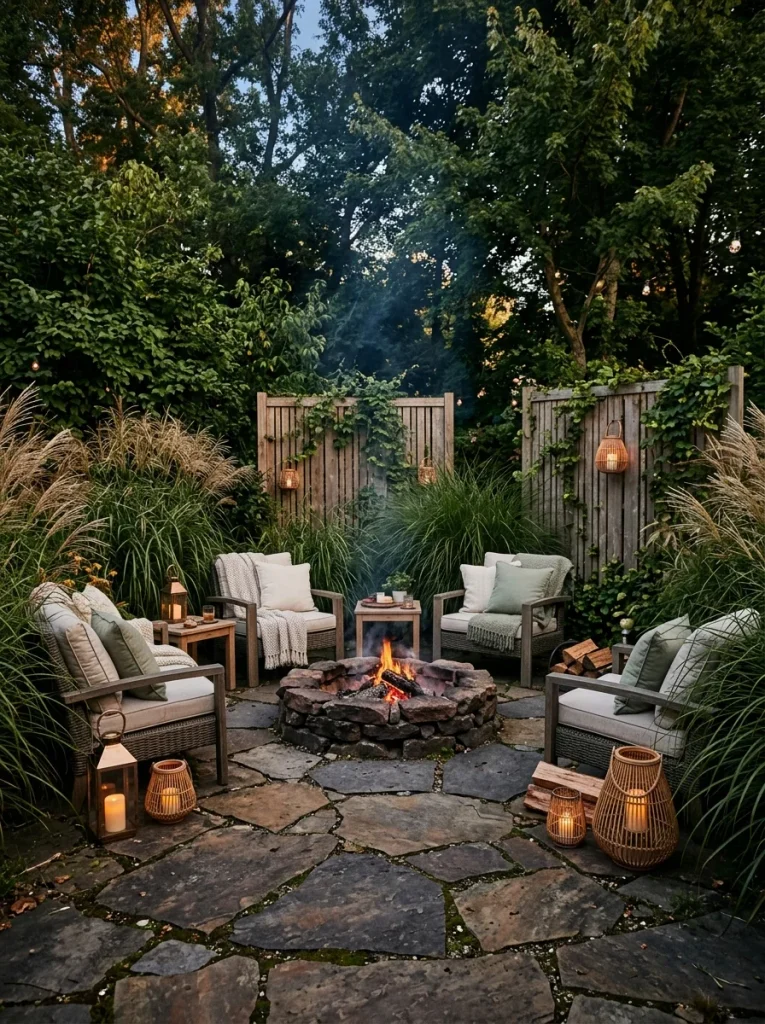
A fire pit becomes more comfortable when the surrounding seating has some protection from outside views. Create privacy on the sides rather than completely enclosing the fire area.
Use noncombustible materials near the fire pit and keep plants, curtains, timber, and other flammable items at a safe distance. Position seating so the main privacy screen blocks neighboring sightlines without trapping smoke. This setup works best when privacy, airflow, safety and comfortable circulation are planned together.
Hidden Garden Seating

Cost: Moderate
Time: One weekend
Skill Level: Beginner
Best For: Reading, relaxing, and quiet conversations
Result: A dedicated private retreat
The most effective privacy solution may be to hide the seating area rather than screen the entire garden. Place a bench or compact lounge behind existing shrubs, a trellis or a strategically positioned screen so the seating disappears from the main view.
Keep the entrance to the nook slightly open and make the path easy to follow. Add one or two comfortable pieces rather than filling the space with furniture. A small private corner can make even a modest garden feel like a separate retreat.
Conclusion
Creating a more private garden does not have to mean closing off the entire space. A few well placed plants, screens, curtains, trees or panels can create a peaceful corner that feels naturally separated from the outside world.
Choose an idea that fits your garden size, budget, maintenance level and the direction you need to screen. I’ve seen how small changes like these can completely shift the way an outdoor space feels. Start with one area and build from there.
Save this post on Pinterest so you can return to your favorite ideas, try one that suits your space, and share the inspiration with someone planning their own private garden retreat.


One Comment