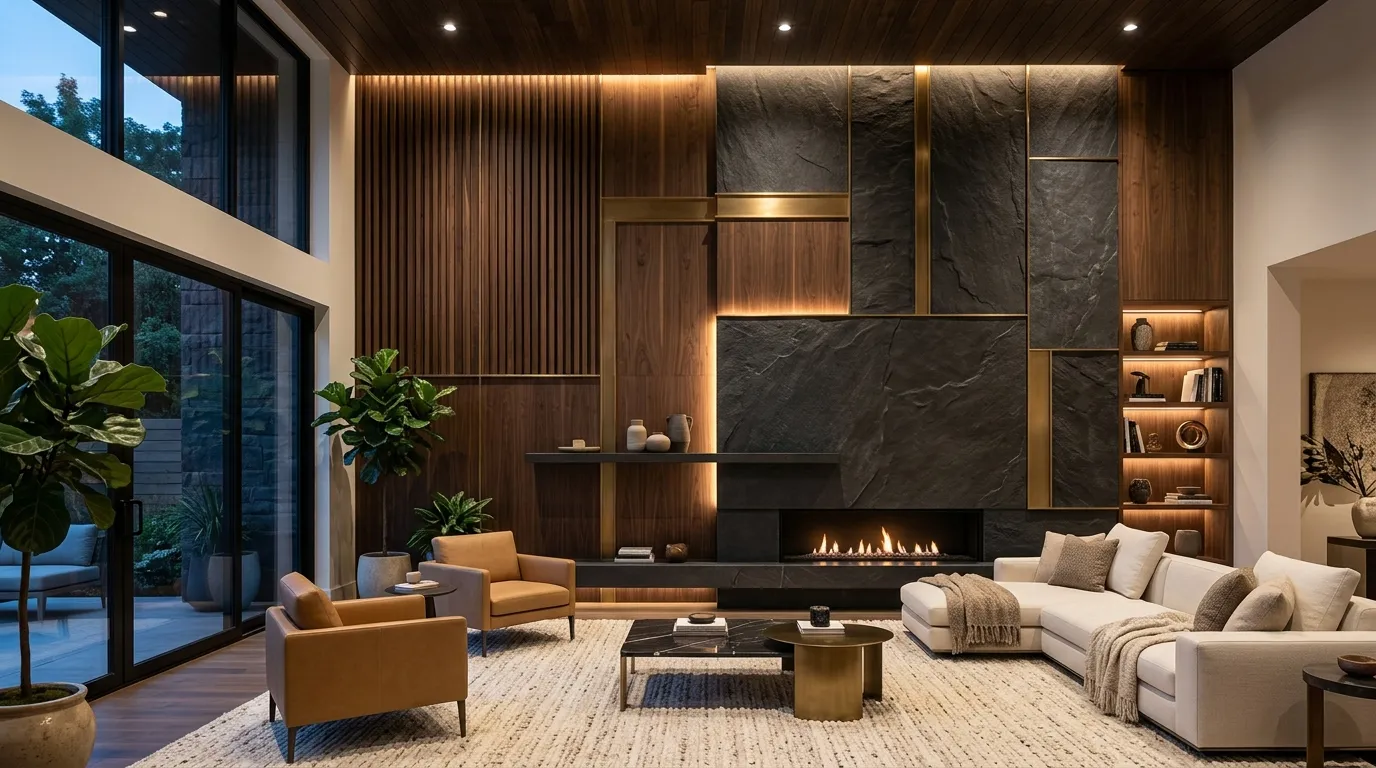
27 Striking Living Room Accent Wall Ideas Guests Notice
A plain living room wall can make an otherwise beautiful space feel unfinished. The right accent can change that, adding warmth, character and a focal point that catches every guest’s attention.
These Living Room Accent Wall Ideas offer inspiration for creating a space that feels stylish, welcoming and uniquely yours. From rich paint colors and natural wood panels to textured finishes, elegant molding and eye catching murals, there are options for different budgets, room sizes, and decorating styles.
You don’t need an expensive renovation to create a noticeable difference. Sometimes, a carefully chosen paint color or a simple decorative detail is enough to make your living room feel more complete. I’ve noticed that the most successful accent walls complement the existing furniture, flooring, and lighting rather than compete with them. As you explore these ideas, look for a design that suits your home, fits your budget and makes you excited to spend time in your living room.
Warm Neutral Accent Wall
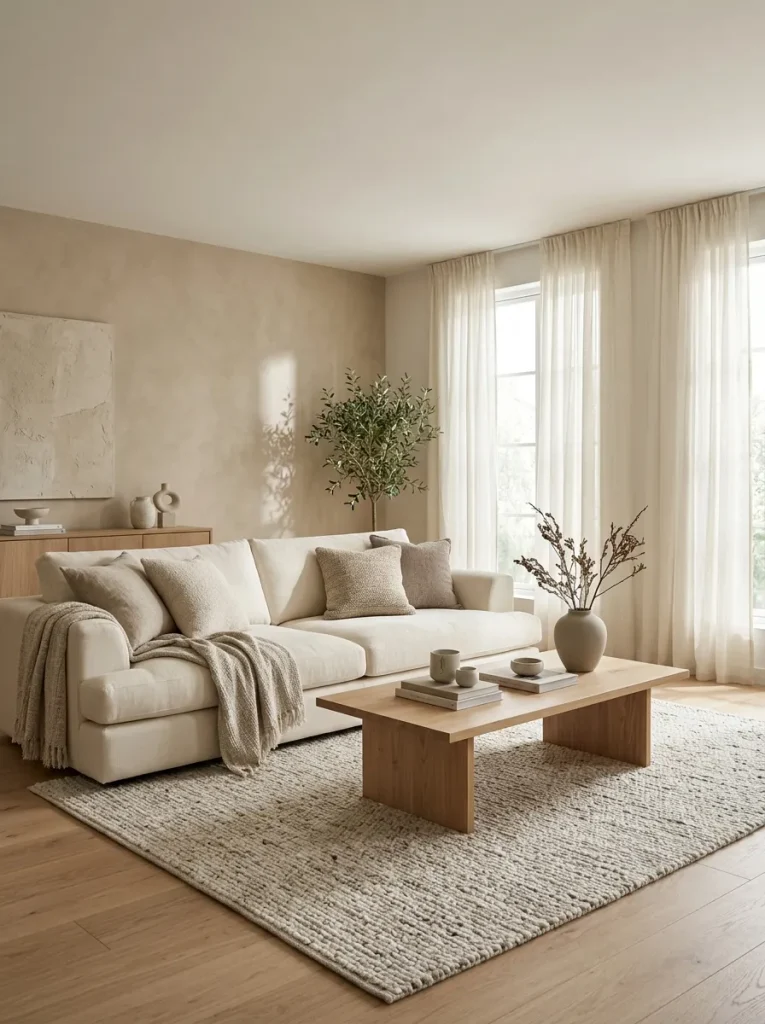
Warm neutrals can make a living room feel polished without making it look cold or overly formal. A beige, greige or soft taupe accent wall creates a quiet backdrop that allows furniture, artwork and natural textures to stand out. It works especially well with cream upholstery, wooden furniture and woven accessories.
For a balanced finish, choose a shade that complements your flooring and receives enough natural light. Test a paint sample on the intended wall before committing, because beige can look surprisingly different throughout the day. Add a textured throw, a wooden side table and a simple floor lamp to create depth without clutter.
Vertical Wood Slat Wall
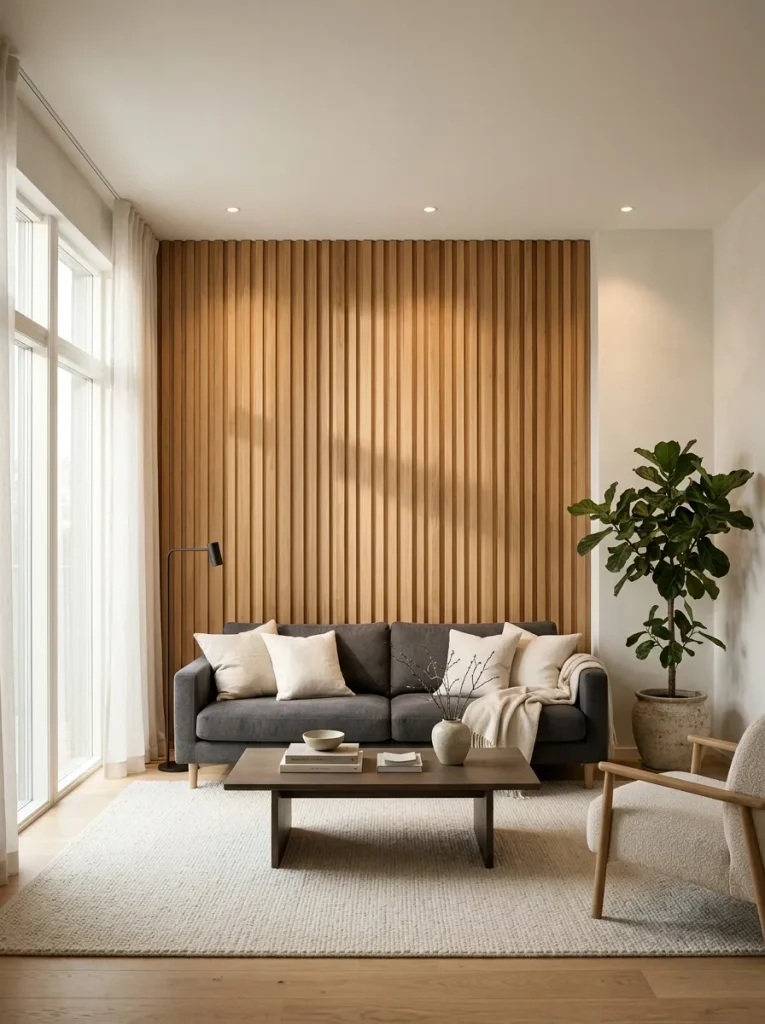
- Choose the right wood tone. Natural oak creates an airy Scandinavian look, while walnut adds a richer, more dramatic finish.
- Measure the wall carefully. Plan the slat spacing before installation so the pattern looks consistent from one end to the other.
- Consider acoustic felt backing. Some slat systems include backing that can help reduce sound reflections in a room.
- Keep nearby decor simple. A streamlined sofa and minimal artwork allow the wood pattern to remain the focal point.
- Plan around outlets. Check the placement of switches, sockets and wall mounted equipment before fixing the panels.
Vertical wood slats introduce rhythm, warmth and architectural character without relying on a bold paint color. They also draw the eye upward, which can make a room with standard height ceilings feel taller. For a cohesive result, repeat the wood tone in a coffee table, shelving or picture frames rather than matching every piece of furniture.
Bold Geometric Paint Design

Quick Tip:
Map out the geometric design with painter’s tape before opening your paint cans. Use two or three coordinated colors and check the shapes from across the room to ensure the pattern feels balanced. A small test layout can prevent an oversized design from overwhelming the furniture.
Geometric paint brings personality to a plain wall without requiring expensive panels or decorative materials. Consider large arches, angled color blocks or overlapping rectangles behind the sofa. Keep the remaining walls relatively quiet so the pattern has room to stand out. For sharper edges, let each painted section dry fully before removing the tape carefully.
Read More: Living Room Color Ideas: 29 Palettes That Feel Timeless
Textured Limewash Finish

BEFORE
A flat, plain wall can make an otherwise thoughtfully decorated living room feel unfinished. Even attractive furniture may lack a strong visual backdrop.
AFTER
A limewash finish introduces soft movement and depth without relying on a busy pattern. Its cloudy texture creates a handcrafted appearance that feels relaxed and sophisticated.
For the best result, choose a warm neutral shade and prepare the surface according to the paint manufacturer’s instructions. Test the finish in a small area first, because application techniques affect the final texture. Pair it with natural wood, linen and simple artwork to maintain a calm, cohesive atmosphere.
Floor To Ceiling Bookshelves
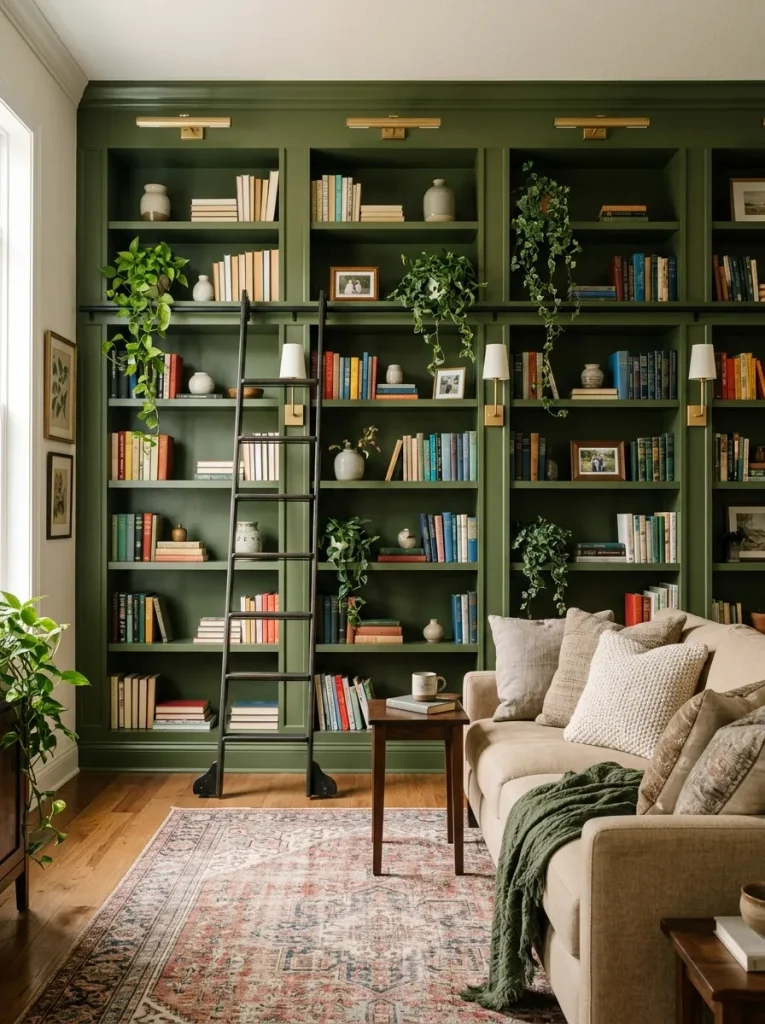
- Measure the wall: Record the ceiling height, wall width and locations of windows, outlets, and switches before planning the shelves.
- Choose a finish: Paint built in shelving to match the wall for a seamless appearance or use a contrasting color for definition.
- Arrange the contents: Mix upright books with horizontal stacks, leaving open spaces for decorative objects.
- Add lighting: Install suitable shelf lights or nearby lamps to make the display visible during the evening.
Floor to ceiling shelving turns an ordinary wall into a functional focal point while providing valuable storage. In smaller living rooms, closed cabinets along the bottom can hide everyday clutter, while open shelves display favorite books and accessories. Secure tall units properly to the wall, especially in homes with children or pets.
Stone Veneer Feature Wall

| Option A: Light Stone | Option B: Dark Stone |
|---|---|
| Creates an airy, open appearance | Adds depth and drama |
| Pairs well with cream and beige | Complements charcoal and walnut |
| Suits smaller living rooms | Works well in spacious rooms |
| Reflects more available light | Creates a stronger visual contrast |
Stone veneer adds architectural character through its natural variations in color, texture, and shape. Before installation, confirm that the existing wall can support the selected material and that the product is suitable for interior use. Use lighting to reveal the stone’s texture, but avoid overly harsh spotlights that create distracting shadows.
Deep Forest Green Wall

DO
- Test the green paint beside your flooring and upholstery before selecting the final shade.
- Pair the wall with warm wood and creamy textiles to soften its intensity.
- Use brass or brushed gold accents for a subtle contrast.
- Keep artwork simple so the saturated color remains the main feature.
DON’T
- Choose a shade without checking how it looks in evening lighting.
- Combine too many competing accent colors.
- Use only dark furniture if the room already receives limited daylight.
- Skip surface preparation, which can leave visible imperfections under matte paint.
Deep green provides a dramatic backdrop while maintaining a connection to nature. It works particularly well behind a sofa, fireplace or carefully arranged artwork. For a smaller room, keep the ceiling and adjacent walls light to balance the darker color. Warm lamps and reflective accessories can help prevent the space from feeling gloomy.
Decorative Picture Frame Molding
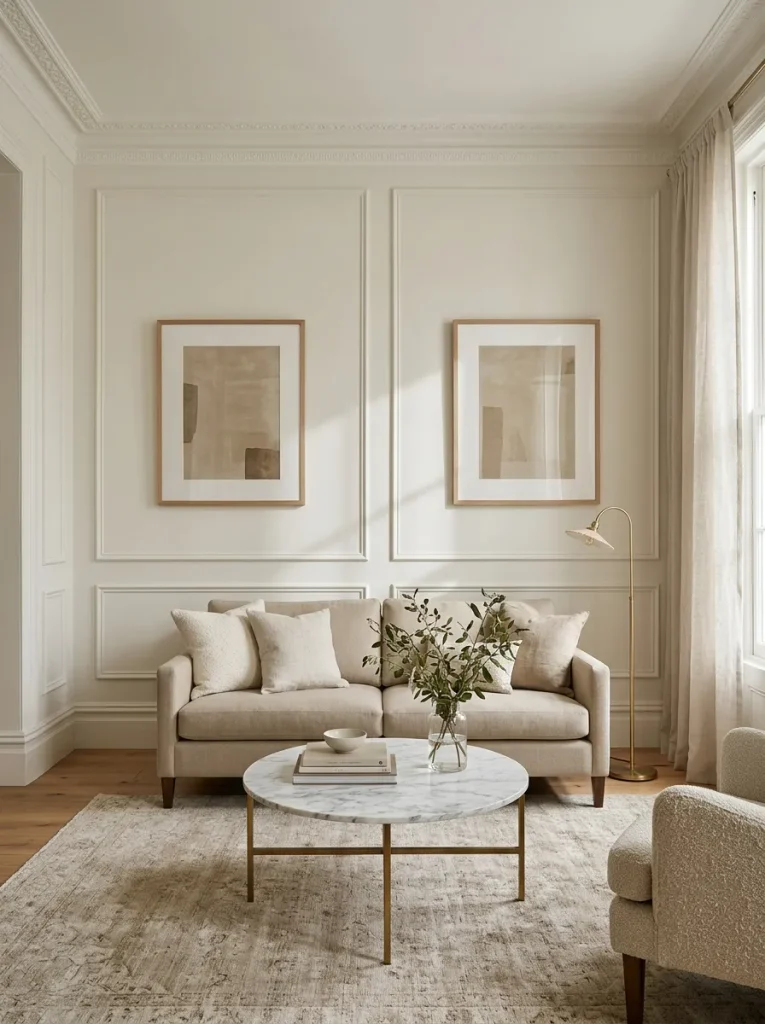
Quick Tip:
Use painter’s tape to outline the molding rectangles before cutting or attaching any trim. Keep the spacing consistent between panels and leave enough room around light switches, furniture edges and door frames. Painting the molding and wall the same color creates a subtle architectural effect.
Picture frame molding gives a plain wall a more finished appearance without requiring wallpaper or bold colors. It works especially well in traditional, transitional and modern classic interiors. For a contemporary result, use clean rectangular shapes and restrained furniture. Fill nail holes, caulk appropriate gaps and paint carefully so the finished trim looks intentional rather than decorative clutter.
Black Accent Wall

A black wall can make a living room feel architectural and sophisticated, especially when the rest of the palette includes lighter materials. Rather than painting every wall dark, concentrate the color behind a sofa, television or fireplace. This gives the room a clear focal point without allowing the shade to dominate every surface.
Choose a matte or low sheen finish if you prefer a softer appearance. Pair black with warm wood, cream upholstery and layered lighting to create contrast. In rooms with limited daylight, sample the color carefully and consider a softer charcoal if true black feels too heavy.
Natural Wood Paneling

Natural wood paneling adds warmth and texture that painted walls cannot fully replicate. Horizontal boards can visually widen a wall, while vertical boards draw the eye upward. Select the direction according to your room’s proportions and the effect you want to achieve.
For a coordinated finish, repeat the wood tone in one or two nearby elements, such as a coffee table or floating shelf. Avoid matching every wooden surface exactly, because slight variations often make a room feel more natural. If using reclaimed boards, check for damage and ensure the material is clean, stable and suitable for indoor installation.
Oversized Wall Mural

Cost: Moderate, depending on mural material and wall size.
Time: Several hours to a full day for many installations.
Skill Level: Beginner to intermediate, depending on the product.
Best For: Plain walls that need a distinctive focal point.
An oversized mural creates visual interest across a large surface without requiring multiple decorative accessories. Botanical artwork brings a natural feel, while abstract landscapes or soft watercolor designs can suit more contemporary interiors. Measure the wall carefully and check the design’s scale before ordering. Position the main visual elements where furniture will not hide them.
Fluted Wall Panels

Fluted panels introduce dimension through narrow grooves that catch light and shadow. They are particularly effective behind a sofa or media console, where a plain wall might otherwise feel flat. Choose wood tones for warmth, painted MDF for a tailored finish or moisture appropriate materials where required by the product specifications.
Before installation, calculate the number of panels and check how their edges will meet corners, outlets and trim. Vertical grooves can make the wall appear taller, while a restrained color palette prevents the texture from competing with furniture. Dust the grooves periodically to keep the surface looking neat.
Two-Tone Painted Wall

BEFORE
A single color wall may feel ordinary when the room lacks architectural details. Decorative objects alone do not always create a clear focal point.
AFTER
A two-tone finish introduces contrast and gives the wall a deliberate visual structure. A darker lower section can also help visually anchor furniture.
Choose the dividing line according to the room’s proportions and furniture height. A lower band can sit slightly above the sofa back, while a higher division creates a different effect. Mark the line with a level and painter’s tape, then apply the lighter shade first if the paint system recommends that order. Use coordinated colors rather than unrelated tones.
Arched Painted Accent
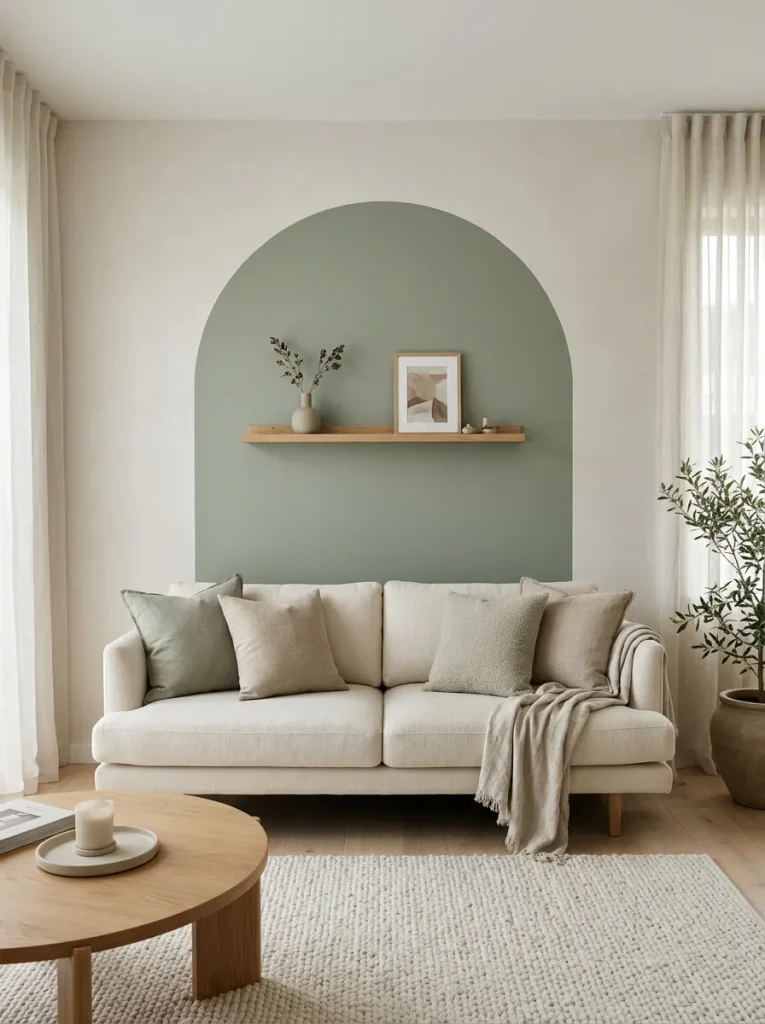
- Choose the location: Center the arch behind a sofa, console or reading chair so it feels connected to the furniture.
- Mark the shape: Use a pencil, measuring tape and a simple compass method with a string to create a smooth curve.
- Select a shade: Sage, clay, muted blue or warm beige can complement a neutral room.
- Paint carefully: Use a suitable brush around the curved edge and a roller for the larger area.
A painted arch offers the softness of a curved architectural feature without the expense of building a new wall. It can define a small seating area or visually frame a piece of furniture. Keep the shape proportionate to the furniture beneath it and avoid adding too many objects inside the arch if you want the curve to remain clear.
Marble Effect Wall
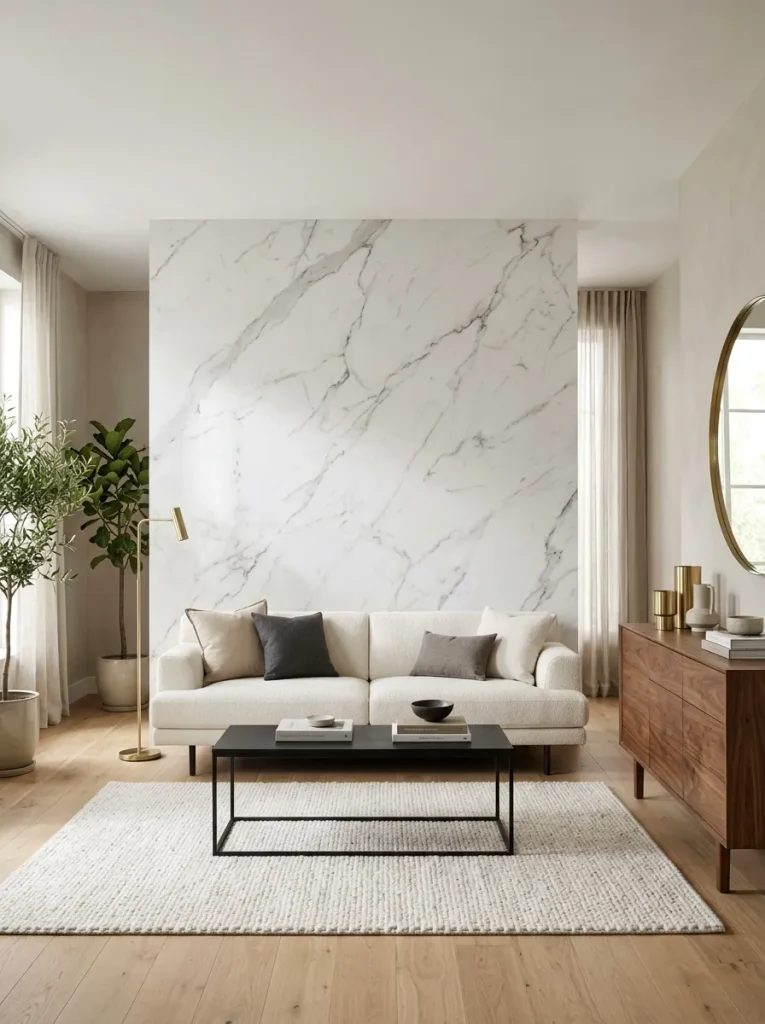
| Option A: White Marble Effect | Option B: Dark Marble Effect |
|---|---|
| Brightens the visual palette | Creates a dramatic focal point |
| Pairs well with light upholstery | Complements cream and tan seating |
| Works with brass and pale oak | Works with black metal and walnut |
| Offers a softer, airy appearance | Produces a richer, moodier effect |
A marble effect wall introduces the look of natural stone without necessarily requiring heavy slabs. Depending on the budget and product, you might use printed wall panels, porcelain surfaces or a decorative paint technique. Check the manufacturer’s installation requirements and the wall’s suitability before choosing a material. Keep surrounding finishes restrained so the veining remains visible.
Rustic Reclaimed Wood
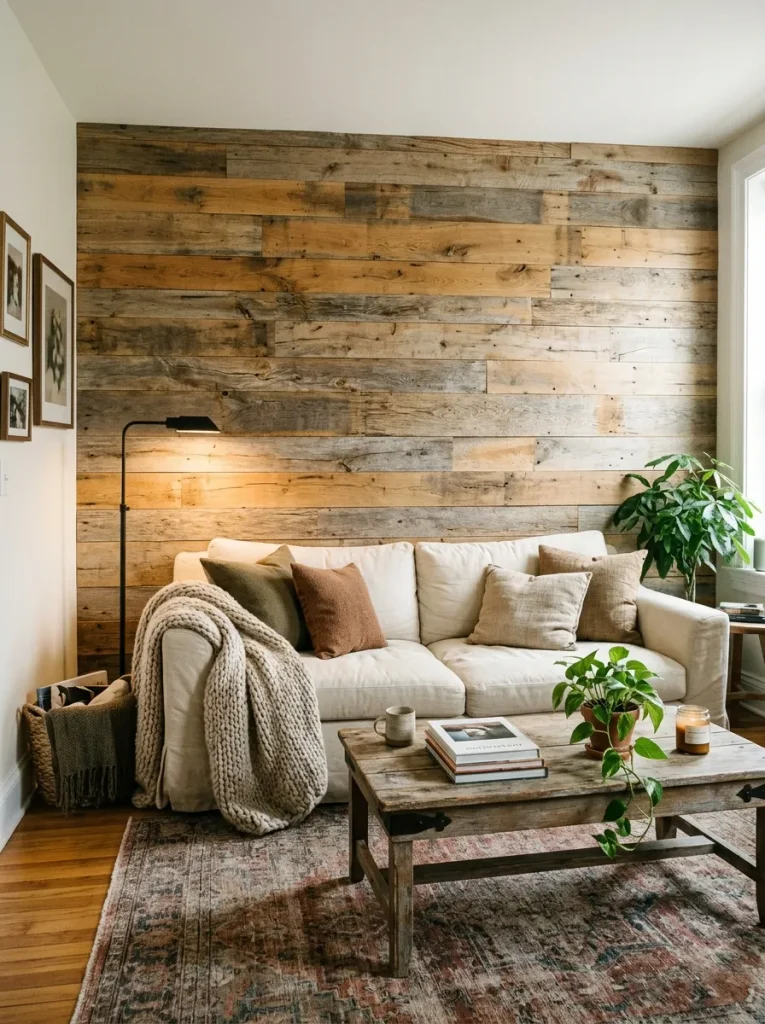
Rustic wood adds character through visible grain, worn finishes and subtle color differences. It works well in farmhouse, industrial and relaxed contemporary interiors, particularly behind a sofa or fireplace. To keep the room from feeling too busy, balance the textured boards with simple upholstery and a plain rug.
Before installing reclaimed material, inspect it for pests, mold, loose nails and unknown treatments. Use only wood that is suitable for interior applications and follow proper preparation and installation guidance. A small amount of variation makes the wall interesting, but consistent board thickness and secure attachment help the finished surface look intentional.
Navy Blue Accent Wall

Navy blue provides depth while remaining versatile enough for classic and contemporary interiors. It pairs naturally with cream, warm gray, oak, walnut and restrained metallic accents. A wall behind the main seating area gives the shade a clear purpose, particularly when the remaining walls are light.
For a cohesive look, repeat navy in one or two cushions or a small artwork detail rather than spreading the color everywhere. Check the paint sample in both daylight and evening lighting. In a darker living room, a slightly softer blue or a lighter surrounding palette can help preserve an open feeling.
Geometric Wood Wall

DO
- Sketch the complete pattern on paper before cutting the wood.
- Use a consistent wood thickness for a cleaner finish.
- Measure each angle carefully and dry fit the pieces before installation.
- Keep the surrounding decor simple so the pattern remains easy to read.
DON’T
- Start attaching strips without a full layout.
- Combine too many wood tones in a small area.
- Ignore outlets, corners or furniture that may interrupt the design.
- Leave sharp or uneven cut edges unfinished.
A geometric wood wall creates a custom architectural feature through shape and material rather than color alone. Repeating triangles, chevrons or angled lines can add movement to a simple room. Choose a pattern that suits the wall’s dimensions and use accurate measurements to avoid awkward slivers at the edges. Proper fixing and finishing are essential for a durable result.
Wallpaper Accent Wall
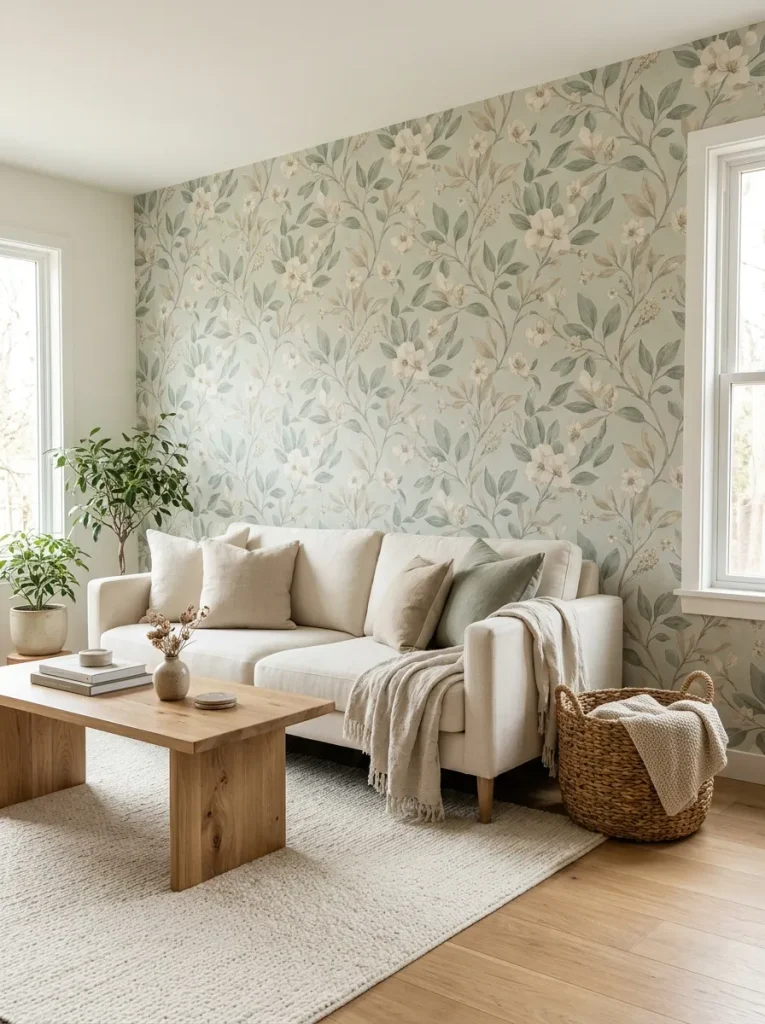
Cost: Low to moderate for many standard wallpaper options.
Time: A few hours to a day, depending on wall size and product.
Skill Level: Beginner for peel and stick wallpaper, intermediate for many traditional papers.
Best For: Adding pattern without building architectural features.
Wallpaper makes it easy to introduce botanical prints, delicate stripes, abstract shapes or textured effects. Choose a pattern that suits the size of the wall and the scale of nearby furniture. Large prints can create a bold focal point, while small patterns often feel more subtle.
Measure the wall accurately and purchase enough material to match the pattern across seams. Prepare the surface according to the manufacturer’s instructions and test removable wallpaper on a discreet area first. A single wallpapered wall usually creates enough interest without requiring competing patterns throughout the room.
Built In Fireplace Wall
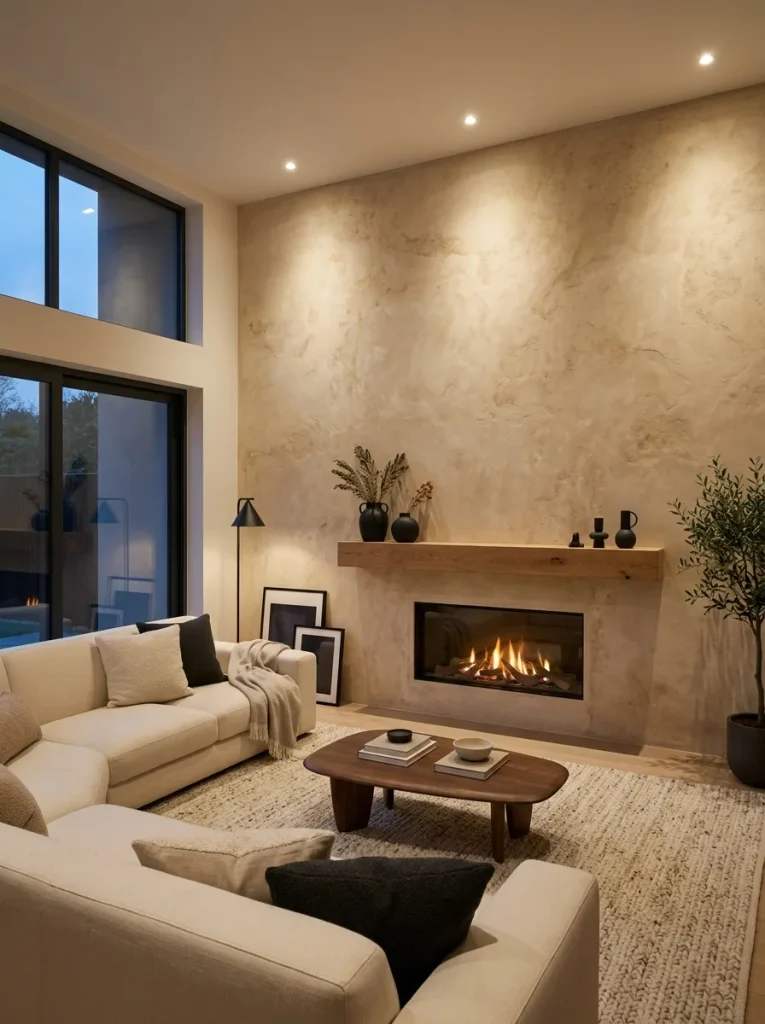
A built in fireplace wall gives the living room a natural focal point and helps organize the surrounding furniture. Stone, plaster, tile and approved decorative panels can each create a different finish. Choose materials according to the fireplace type, heat exposure and manufacturer’s clearance requirements.
Plan the mantel, television and seating positions together before beginning construction. A fireplace wall should feel balanced rather than crowded with competing features. If installing an electric fireplace, follow its ventilation and electrical requirements. For gas or wood-burning systems, use qualified professionals and materials approved for the specific installation.
Floating Shelf Display

Floating shelves turn a plain wall into a useful display while keeping the floor clear. They work especially well in apartments or compact living rooms where bulky cabinets might feel intrusive. Use a consistent material and limit the number of objects so the arrangement remains balanced.
Measure the space between shelves according to the items you plan to display. Check the wall construction and use appropriate fixings for the combined weight of the shelves and contents. Avoid placing heavy objects above seating, and leave some open space around each arrangement to prevent visual clutter.
Large Abstract Art Wall

Large abstract art can provide the impact of an accent wall without painting or installing permanent materials. Choose artwork that relates to at least two colors already present in the room, such as the sofa, rug or curtains. This connection helps the composition feel intentional.
Hang the piece at a comfortable viewing height and consider its width in relation to the furniture below. A single oversized canvas often looks calmer than several small frames scattered across the wall. If you prefer flexibility, use a lightweight framed print or a carefully secured canvas that can be replaced when your decor changes.
Vertical Painted Stripes

Vertical stripes create a strong visual rhythm and can make a wall appear taller. Narrow stripes produce a busier effect, while wider bands often feel calmer and more contemporary. Choose two related shades for a subtle design or a light and dark contrast for a bolder statement.
Measure and mark each stripe before painting, using a level and painter’s tape to maintain straight edges. Test the spacing on a small section to see how it relates to the sofa and windows. Keep other patterns restrained, because striped walls can compete with heavily patterned cushions, rugs or curtains.
Textured Plaster Wall

Textured plaster gives a living room depth through gentle variations in the wall surface. Depending on the finish, it can appear rustic, Mediterranean or contemporary. Warm white, sand, taupe and pale gray are useful choices when you want texture without a strong color contrast.
Prepare the wall carefully and confirm that the chosen plaster system is suitable for the existing surface. Application techniques affect the final appearance, so a sample board is useful before treating an entire wall. Keep nearby furniture and accessories relatively simple, allowing the natural texture to provide the main visual interest.
LED Backlit Accent Wall

LED backlighting adds depth by creating a gentle halo around panels, shelves or architectural details. It works especially well behind a media console or a feature wall with layered materials. Warm white lighting generally creates a cozy atmosphere, while cooler lighting can feel sharper and more technical.
Plan the light source and cable routes before closing off any panels. Select products rated for the intended installation and follow electrical safety requirements. Avoid excessive brightness or visible strips if you want a refined result. Dimmable lighting allows you to adjust the effect for daytime viewing, evening relaxation and television use.
Mirror Accent Wall
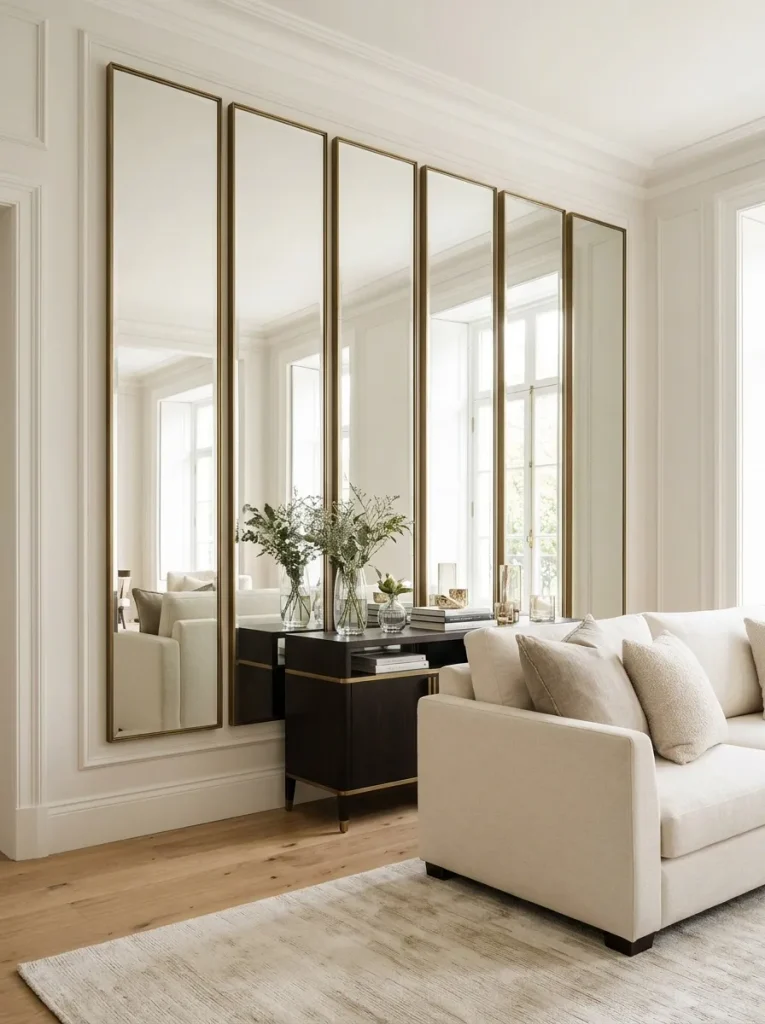
Mirrors can make a living room feel brighter by reflecting available light and parts of the surrounding space. A carefully placed mirror wall may also create a stronger sense of depth in a compact room. Choose a location that reflects an attractive view, such as a window, artwork or well styled seating area.
Consider several framed mirrors if a full mirrored surface feels too formal. Check the weight, mounting method and safety requirements before installation. Avoid reflecting cluttered storage or an awkward corner, because mirrors repeat whatever appears in front of them. Clean framing and balanced placement help the wall look deliberate rather than overly decorative.
Terracotta Accent Wall

Terracotta brings warmth and personality to a living room without requiring a bright or highly saturated color. Muted clay shades work well with cream, beige, natural wood, olive green and woven materials. The color is especially effective behind the sofa, where it creates a clear focal point.
Test the paint under the lighting conditions you use most often, because terracotta can appear more orange or more brown depending on the light. Repeat the color in a small accessory or artwork detail to connect the wall with the rest of the room. Keep the remaining palette restrained for a balanced finish.
CONCLUSION
A thoughtfully designed accent wall can bring your living room together, introduce personality and create a focal point that guests naturally notice. Whether you love warm neutrals, bold colors, natural wood or textured finishes, the best choice is one that feels right for your home and lifestyle.
Start with one idea that matches your budget and existing decor. Test colors, compare materials and make small changes before committing to a larger project. Save this collection of Living Room Accent Wall Ideas on Pinterest for inspiration, try your favorite design and share this article with someone planning a home refresh. Your next beautiful living room could begin with one wall.


One Comment